Why Own a Piece of History?
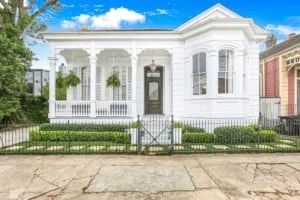
Acquiring a historic home presents a distinct blend of historical charm and modern-day challenges. These properties are often imbued with character, craftsmanship, and architectural intricacies that newer developments simply can't replicate. However, it’s essential to recognize that owning such a home comes with specific obligations. You’ll need to grasp the nuances of original materials and maintain the features that bestow the house its unique personality.
If you’re considering entering this niche market, you must weigh the balance between appreciating the allure of the past and adapting it for contemporary life. Your ability to preserve the essential qualities of the home while ensuring it meets today’s functional needs will often be the key to a satisfying ownership experience.
In this Redfin piece, we'll cover crucial insights you should have when contemplating a purchase of a historic home. We'll guide you through navigating local regulations—whether you're in locations like
Alexandria, VA or
New Orleans, LA—to restoring original design elements and making educated decisions that will protect your home’s distinctive characteristics for years to come.
Understanding Historic Homes
A property is typically classified as historic if it is at least 50 years old and resonates with architectural, cultural, or historical value. However, age alone doesn't suffice; formal recognitions often stipulate that the home must retain its initial charm and integrity. Characteristics such as original materials and design elements from certain styles—think
Victorian,
Craftsman, or
Colonial—also play a significant role in determining a home’s historic status.
Homes that are recognized as historic may reside within designated districts or be included in
preservation registers. Being part of such a designation could offer perks like tax incentives, but it may equally impose stringent restrictions on modifications, especially if local preservation laws apply.
The Path to Owning a Historic Home
If you're contemplating the purchase of a historic property, you’ll encounter factors that diverge from the typical home-buying process. Familiarizing yourself with preservation obligations and maintenance needs is vital—not just for securing the home but also for your long-term satisfaction.
So, what's the first step?
Understand the narrative of the home as much as its physical fabric. It’s not just about curb appeal. The value of a historic home lies in its craftsmanship, materials, and unique design intent. You’ll need to identify the original features and assess how they contribute to the property’s true value.
Nick Cryer, founder of
Berkeley Place, emphasizes, “Buying a historic home is about understanding its story as much as its structure.” He strongly advocates for sensitive restoration methods over complete replacements to retain authenticity and maximize long-term returns.
Housing history is a multifaceted narrative shaped by distinctive stories and architectural progression. It’s essential to comprehensively investigate and preserve these features amidst any alterations. For those ready to embrace the demanding yet rewarding task of homeownership, purchasing a historic residence can be a deeply fulfilling venture—if approached with diligence and a sense of stewardship.
Final Thoughts: Embrace Stewardship Over Simple Ownership
When it comes to historic homes, the responsibilities that come with ownership extend far beyond financial considerations. Rather than simply viewing your home as a commodity, it's essential to approach it with a mindset of stewardship—protecting and cherishing its unique narrative while adapting it to modern needs. This approach isn’t just a best practice; it’s a vital component in maintaining the value and character of the property.
Understanding and preserving original details is paramount. Features like moldings, flooring, and built-ins are not just aesthetic; they embody the craftsmanship and stories of the past. If you're contemplating renovations, assess which elements must remain intact to genuinely preserve the home's integrity and charm. Breaking down these essentials can help guide your decisions and prevent costly missteps.
By collaborating with professionals who specialize in historic restoration, you can ensure that any updates enhance rather than compromise your home's character. Their expertise can help you navigate the delicate balance between maintaining historical authenticity and implementing necessary modernizations. Remember, the goal isn’t just to fix what’s broken, but to nurture what makes your home special.
Ultimately, taking a mindful approach to upkeep and renovation ensures that your historic home will continue to resonate with its past while remaining a comfortable space for future generations. Think strategically about each choice you make—it could impact how your home tells its story for years to come. Keep in mind that homeownership, especially in the context of historic properties, carries with it a duty to honor and maintain what’s been lovingly built over decades, if not centuries.