Austin and Denver Homeowners: Which Repairs to DIY and Which to Hand Off
Fixing up a house in Austin, TX or updating a townhouse in Denver, CO can feel like a natural weekend project. Video tutorials make nearly any job look manageable. The trouble is that a tutorial can't show you what's happening inside a wall or under a roof, and knowing which jobs to hand off is what separates a confident DIYer from an expensive lesson.
Below is where the line tends to fall, why it falls there, and how to decide when a project sits in the gray zone.
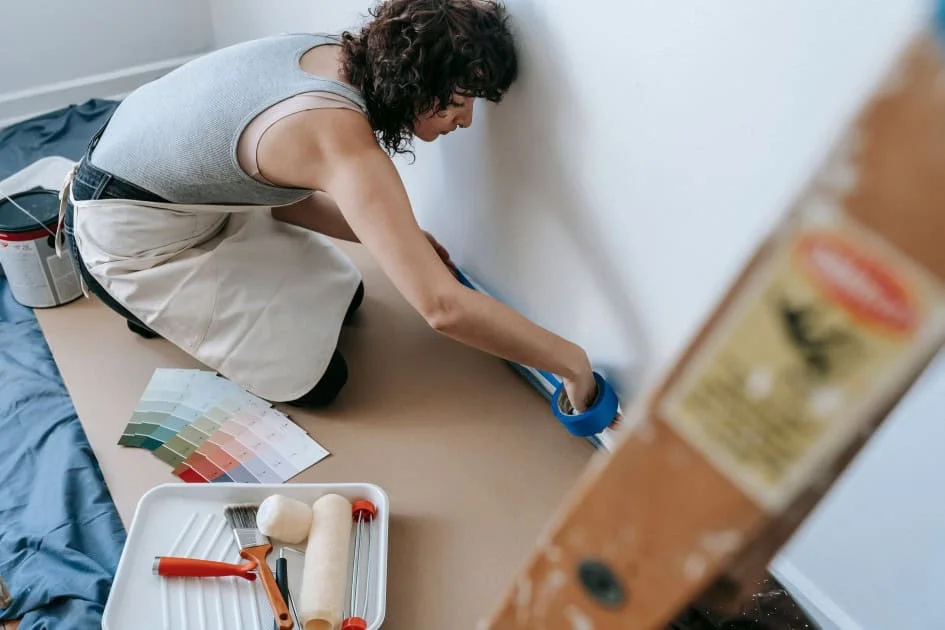
Where DIY makes sense
Cosmetic work is the obvious starting point. It's low-risk, easy to redo if the result disappoints, and it rarely touches how a house actually functions.
Jeff Nicholson, founder of Quartersawn Design Build, frames the distinction well. "Not every home project requires a professional, but homeowners should be honest about the difference between cosmetic updates and decisions that affect the long-term performance of their home. Projects like painting, hardware replacement, landscaping, and simple built-ins can be rewarding DIY efforts."
The projects that usually fall on the safe side of that line include:
- Interior painting and touch-ups: Patching small holes, caulking trim, and repainting a room are low-risk. If your home was built before 1978, test for lead paint before sanding or scraping.
- Cabinet painting and hardware swaps: A fresh coat of paint and new pulls can transform a kitchen without a full remodel. Most of the effort goes into cleaning, sanding, and priming.
- Flooring installation: Click-together products like luxury vinyl plank (LVP) are a common first flooring project.
- Landscaping and curb appeal: Planting beds, mulching, and edging are forgiving. Call 811 before you dig to have buried utility lines marked for free.
- Simple built-ins and shelving: Floating shelves or a mudroom bench are manageable if you anchor them into studs with the right fasteners.
- Routine maintenance: Swapping air filters, cleaning gutters from a stable ladder, and replacing weatherstripping all help protect the house with little risk.
Flooring and cabinets are where people tend to overreach, mostly because the work looks easier than it is. Zac Turcott, owner of Heritage Homebuilders LLC, says preparation is what makes these projects realistic. "Painting cabinets, replacing cabinet hardware, installing LVP or hardwood flooring, and completing other cosmetic updates are all projects a capable homeowner can reasonably undertake with the right preparation."
For flooring, that preparation means measuring carefully, confirming the subfloor is flat and dry, and letting planks acclimate to the room before installation. Most manufacturers publish instructions, and following them closely also helps protect your warranty.
Home repairs you should never DIY
Some jobs look straightforward on video but carry consequences that don't surface until much later. These are the ones to hand to a licensed professional.
1. Electrical work beyond the basics
Swapping a light fixture is one thing. Adding circuits, upgrading a panel, or rewiring a room is another. The most recent U.S. Consumer Product Safety Commission data estimates that electrical distribution equipment, including installed wiring, was involved in an annual average of about 18,400 fires between 2021 and 2023. Faulty work can sit hidden inside a wall for years before it becomes a problem.
2. Gas lines and major plumbing
Gas leaks and slow water leaks are hard to spot and expensive to fix. Moving supply lines, rerouting drains, or working on a gas appliance connection typically calls for a licensed plumber and a permit.
3. Load-bearing walls and structural changes
An open floor plan is a popular request, but a wall that looks decorative may be carrying the roof or the floor above. Removing one without an engineer's input can lead to sagging floors, cracked drywall, or worse.
4. Cabinet replacement and countertop installation
Replacing cabinets and setting countertops can look like a bigger version of a paint job, but the stakes climb fast. Heavy slabs, exact measurements, and cutouts for sinks and cooktops leave little room for error, and a mistake can be expensive to reverse.
5. Roofing
Falls from roofs are a serious injury risk. A poorly flashed or improperly installed roof can leak for months before anyone notices. Many manufacturers also tie warranty coverage to professional installation.
6. Foundation, drainage, and water management
Cracks, grading problems, and moisture issues are often symptoms of something bigger. A cosmetic patch may hide the cause without fixing it.
>>Read more: 11 Warning Signs Your Home Has Foundation Problems
7. Anything involving lead paint or asbestos
The EPA notes that homes built before 1978 may contain lead-based paint, and the older the house, the more likely it is. The agency recommends having a certified inspector or risk assessor test surfaces before disturbing them, and a certified lead-safe contractor for larger projects in pre-1978 homes. Sanding and demolition can spread dust that is especially harmful to children and pregnant people.
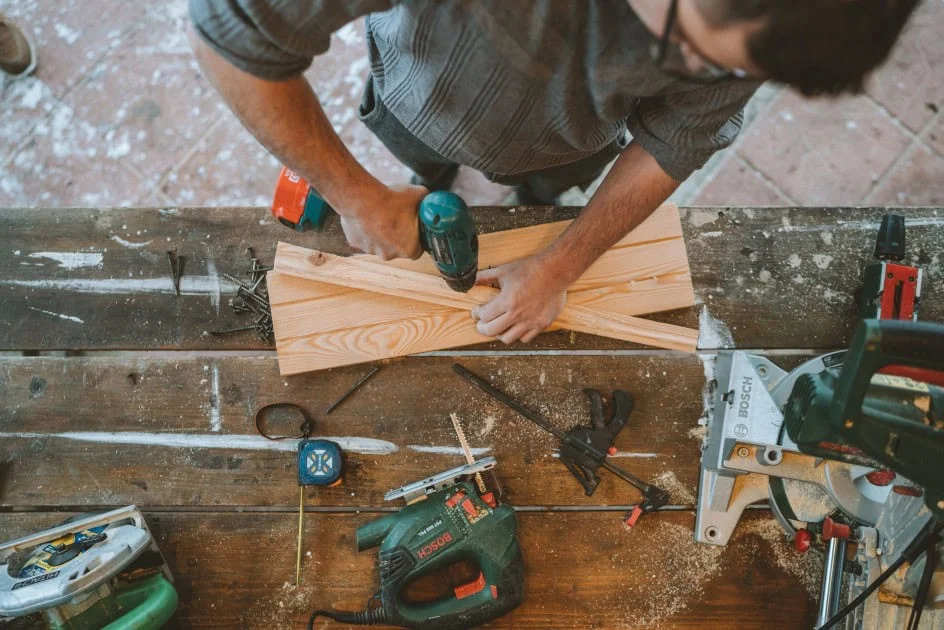
The hidden costs of a DIY gone wrong
A DIY mistake rarely costs only the repair itself. Unpermitted or non-code work can come back in several ways.
- Insurance questions: Depending on the policy, an insurer may question or limit a claim tied to unpermitted or unlicensed work. Check your policy language or ask your insurer before starting a major project.
- Selling complications: In many areas, sellers must disclose known unpermitted work, and the rules vary by location. Unpermitted additions or electrical changes can surface during a buyer's inspection or appraisal, which can slow a sale or prompt repair requests.
- Redoing the work: Fixing a failed DIY job often means paying a pro to undo it first, then paying again to do it right.
Permit rules differ by city and county, so call your local building department before starting any project that touches structure, electrical, or plumbing. If you're buying and spot work that looks unfinished or inconsistent, a home inspection can flag it before closing.
>> Learn: 6 Home Repairs You Should Never DIY Before Selling
How to decide: a quick checklist
Time is the factor most homeowners underestimate. Turcott puts it this way: "For most projects, the real question isn't whether you can learn to do the work – it's whether the time required to learn every important detail and complete it correctly is worth the potential savings."
Run any project through these questions:
- Does it involve structure, water, gas, or electrical systems? If yes, plan to hire a licensed pro.
- Does it need a permit? Your local building department can tell you, and a permit usually means an inspection that works in your favor.
- Could a mistake hurt someone or damage the home? If so, the savings may not justify the risk.
- What is your time worth? Add up hours for research, supplies, and redoing mistakes, then compare that total with a contractor's quote.
- Is the home older? Pre-1978 homes may contain lead paint, and aging wiring and plumbing can complicate even small jobs.
What to look for when you hire a pro
Once you've decided to bring in help, how you choose matters as much as the decision itself. Turcott recommends looking for specific traits. "When hiring a professional, look for proper licensing and insurance where applicable, strong references, clear communication, and someone who will treat both you and your home with respect."
Put that into practice by collecting at least two or three written bids so you can compare scope and price side by side. Ask for references from recent jobs similar to yours, and confirm licensing with your state or local licensing board. Ask who will pull the permit, and get that answer in writing.
>>Read more: Questions to Ask General Contractors Before Starting a Project
A split approach works for most homes
You don't have to choose between doing everything yourself and hiring out everything. Many homeowners handle the cosmetic work and bring in pros for the systems behind the walls. That mix keeps costs reasonable without adding risk where it matters most.
If you're planning updates with resale in mind, it's worth comparing your plans against what similar homes in your neighborhood already offer. Local comparables will tell you more about what buyers in Austin or Denver expect than any general rule can. Start with the low-risk cosmetic work, and save the wiring, gas, structure, and roof for someone with a license and a track record.