Mediterranean Home Design: Warm Materials, Arches and Outdoor Living
Why Mediterranean design still works
Mediterranean homes are built around a practical idea: make the house feel comfortable in its setting and easy to live in. Stucco, clay tile, arches, courtyards, and garden-facing rooms give the style its familiar look, drawing on coastal traditions from Spain, Italy, and Greece. The effect can be ornate or spare, but it tends to feel relaxed rather than formal.
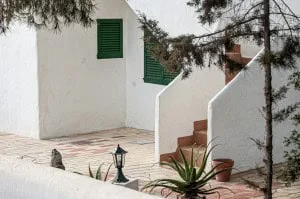
That combination helps explain the style’s staying power. It’s also why Mediterranean details turn up far from the Mediterranean itself. Whether you’re restoring a home in Santa Barbara, CA or updating a home in Coral Gables, FL, the approach can add warmth and character without requiring a full historical replica. For an overview of home styles, Mediterranean design stands out for how closely architecture and outdoor living work together.
The materials set the tone
Mediterranean-home design takes its cues from coastal Spain, Italy, and Greece, using natural materials and architectural details to make a home feel rooted in place. Jennifer Delgado of ArtZMiami describes the familiar combination: “Mediterranean-home design typically features warm stucco walls, terracotta roof tiles, arched doorways, and natural materials like stone and wood.” She adds that airy rooms, courtyards, and shaded terraces help connect indoor and outdoor life.
Stucco is central to that look. Its uneven surface gives walls a handmade quality, while colors drawn from soil and sunlight keep the exterior from feeling stark. Common choices include warm white, cream, sand, beige, terracotta, muted clay, soft yellow, ochre, warm taupe, and earthy brown.
In South Florida, agent Scott Shuffield sees a practical case for the style as well as an aesthetic one. He points to thick walls that help keep interiors cool, courtyards suited to outdoor living, and a look that doesn’t quickly feel dated. His shorthand for the exterior is stucco, clay tile, arches, and wrought iron—a set of details that gives the house texture and definition.
Terracotta roof tiles reinforce the same palette. Their reddish-orange color contrasts with pale stucco, and barrel-shaped tiles add a repeated curve that gives the roofline visual rhythm. Stone and limestone, aged or natural wood, hand-finished ceramic tile, plaster, and warm metals such as brass broaden the material mix. The aim isn’t a perfectly matched set of finishes; it’s a layered, lived-in feel.
Debra Wellins says Mediterranean homes can range from one or two stories and from ornate to simply detailed, with wood and stone adding warmth. Wrought iron often supplies the darker counterpoint to lighter walls. It appears in balcony railings, gates, fences, exterior lights, stair rails, door hardware, window grilles, furniture, and decorative accents. For ideas on using natural materials in interiors, see Transform Your Sanctuary with Biophilic Home Design.
Arches and outdoor rooms shape the experience
Arches soften doorways and windows while giving the architecture a clear focal point. They can also appear inside the house—in hallways, niches, and openings between rooms—so the look carries through rather than stopping at the front elevation.
But the stronger idea is how the home opens outward. Courtyards, loggias, patios, and shaded terraces function as extensions of the living area. Outdoor spaces are part of the plan, not leftover ground beyond the house. That connection is especially useful to keep in mind when designing outdoor areas.
David Siddons of Lux Life Miami Blog describes layouts organized around a courtyard or loggia, with French doors leading to terraces, fountains, and gardens. French doors make that transition especially direct when they open onto a patio, courtyard, or garden. Large windows can bring in natural light and frame the landscaping.
Inside, the mood stays warm but open. Cream, beige, sand, terracotta, olive, muted blue, and warm brown offer color without competing with the architecture. Comfortable furniture, daylight, and tactile surfaces do more work than piles of decoration. If you’re adding wrought iron, balcony railings and exterior light fixtures are natural places to start.
Let the garden complete the design
Landscaping links the house to its surroundings, especially around entrances, courtyards, and places where people gather. Depending on the climate, olive and citrus trees, lavender, rosemary, ornamental grasses, climbing vines, and other drought-tolerant plants can suit the look. These landscaping choices can be adapted to local conditions; 5 Sustainable Landscaping Ideas That Elevate Your Outdoor Space offers more ideas.
Water adds sound and movement. A small fountain or reflecting pool can become a calm focal point in a courtyard without requiring a large feature.
That’s the part of Mediterranean design that can be missed when the style is reduced to tile roofs and arches: the details work together to support ordinary routines. Sasha Anton, founder and creative director at Casa Le Blanc, describes cool stone underfoot on a sunny morning, linen curtains moving in the breeze, and friends lingering around a dinner table. Her point is that the architecture, materials, nature, and daily rituals belong together. The style’s appeal comes from that lived experience as much as from its appearance.
Bring in the feel without a full remodel
You can borrow the character of Mediterranean design through a few considered choices. Start with warm white, cream, sand, or earthy paint colors, or use textured plaster where a renovation makes sense. Add wood, stone, terracotta, ceramic tile, linen, or natural fibers to give rooms more texture.
An arched doorway, niche, or built-in opening can make a stronger architectural statement. If that isn’t practical, terracotta pottery or planters can bring in the color on a smaller scale. Iron lighting, hardware, mirrors, railings, or furniture accents add contrast, while plants, herbs, vines, or potted citrus reinforce the connection to greenery.
To make indoor and outdoor areas feel connected, arrange furniture toward garden views, use French or glass doors where appropriate, or create a comfortable seating spot outside. Keep the rooms easygoing: a few tactile materials and comfortable furnishings will usually read more naturally than a full set of themed decor. For more ideas, these ways to bring texture into your home can help.
A lasting style built around daily life
Mediterranean design brings together warm surfaces, distinctive forms, greenery, and outdoor living to create a sense of ease. You can use the full vocabulary or just a handful of details. Either way, the strongest results come when the materials and layout feel suited to the home and the people living in it.
The post Mediterranean-Home Design: 10 Features That Define the Style appeared first on Redfin | Real Estate Tips for Home Buying, Selling & More.