Mediterranean Homes: Key Features and Where to Find Them in the U.S.
Mediterranean homes are easy to recognize, but the appeal goes beyond their white stucco and red tile roofs. Their courtyards, arches and shaded outdoor rooms reflect a way of living that makes sense in warm climates. That’s more significant than it might look: the architecture grew from practical responses to heat and sunlight, then became a defining style in parts of the United States.
If you’re weighing the style for a home search, the details matter. Mediterranean architecture ranges from elaborate historic estates to pared-back modern houses, and the look alone doesn’t tell you how a particular home is built or maintained. This guide traces the style’s history, explains its common features and variations, and considers its advantages and drawbacks. You can see its influence in Coral Gables, FL and in Spanish-inspired homes in Santa Barbara, CA.
What defines a Mediterranean house?
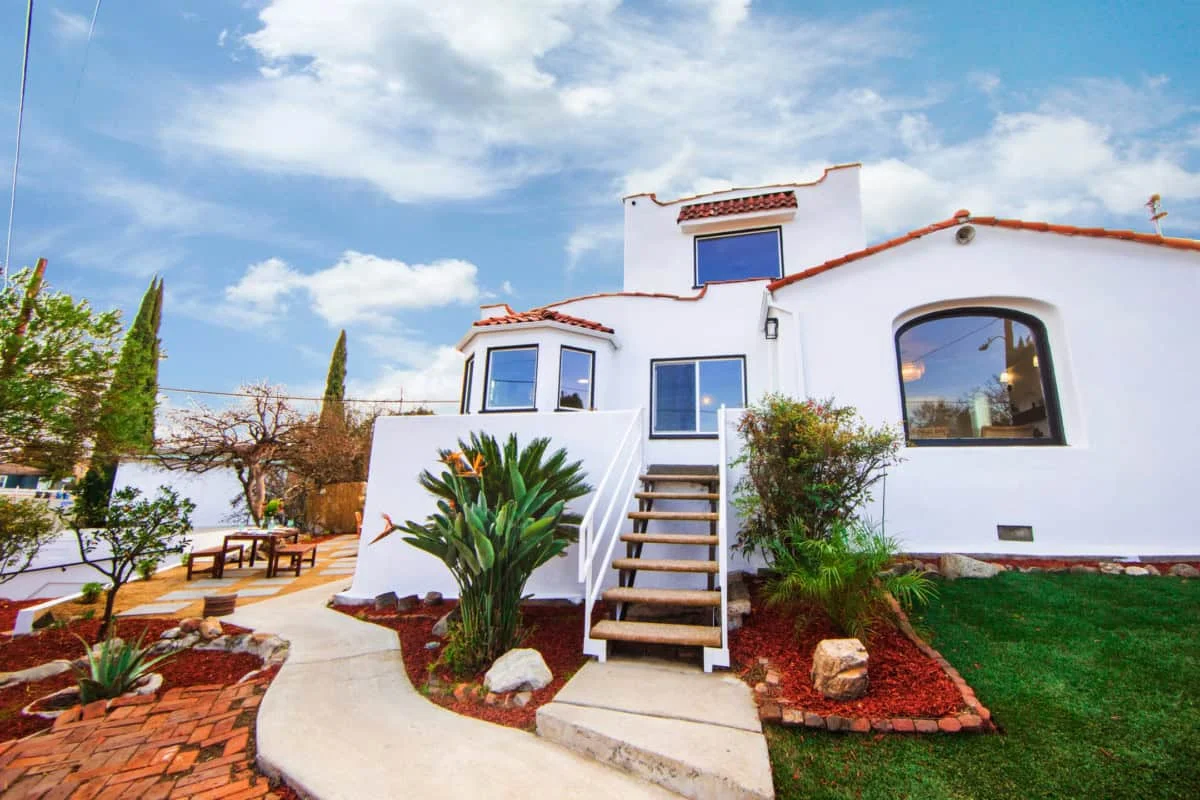
The name covers homes influenced by the building traditions of countries bordering the Mediterranean Sea, especially Spain and Italy. There isn’t a single blueprint. Stucco or masonry walls, clay tile roofs, arches, wrought iron and courtyards often appear together, but their combination and level of ornament vary from one house to another.
“Designed for warm climates, these homes traditionally featured stucco or masonry walls, clay tile roofs, shaded courtyards, arched openings, and a strong connection between indoor and outdoor spaces,” says Jeremy Hubacek. He points to the style’s range in Southern California, where it appeared in cottages and apartment buildings as well as estates and landmark hotels. Smooth stucco, red clay tiles, decorative tile, exposed wood and inviting patios helped make the style recognizable; its emphasis on shade and outdoor living still suits the region.
How the style took hold in the United States
The roots reach back centuries across Spain, Italy and southern France. The houses now commonly called Mediterranean in the U.S., though, largely reflect revival movements that gained traction in the late 19th and early 20th centuries.
Hubacek traces an early American chapter to California’s Mission Revival movement in the 1890s, which drew on the state’s Spanish mission buildings. The style gained wider attention after San Diego’s 1915 Panama-California Exposition promoted romantic interpretations of Spanish, Mexican and Mediterranean architecture. Mediterranean and Spanish Colonial Revival homes then became fashionable during the 1920s and 1930s building boom, especially in California and Florida.
Where you’ll find Mediterranean homes
Warm-weather cities with strong Spanish influences are among the style’s best-known centers: Santa Barbara, CA, Pasadena, CA, Austin, TX and Miami, FL. For a monumental example, there’s Hearst Castle in San Simeon, CA.
Coral Gables shows how closely the style can be tied to a city’s identity. Jenna Citron Pinchuk of Team Citron says George Merrick envisioned “The City Beautiful” in the 1920s around Mediterranean Revival, drawing on Spanish and Italian villas. Courtyards, loggias and doors opening to gardens remain part of the appeal, she says, and suit life in the Miami area.
Plans, materials and the indoor-outdoor connection
Mediterranean homes share recurring design ideas across their different eras. The strongest examples make the outdoor spaces feel like part of the home, rather than an afterthought. For more on indoor and outdoor features and other home styles, those links offer further context.
“A Mediterranean-style home borrows from the villas of Spain, Italy, and southern France: stucco walls, red clay barrel-tile roofs, arched doorways and windows, wrought iron, and a life organized around courtyards and loggias,” says Katerina Bucciarelli, broker-owner at Innovatio Realty Group. She advises looking past the romance to the construction: concrete block and stucco paired with a tile roof built to Miami-Dade hurricane code can be part of a home’s long-term durability, she says.
Mediterranean exteriors
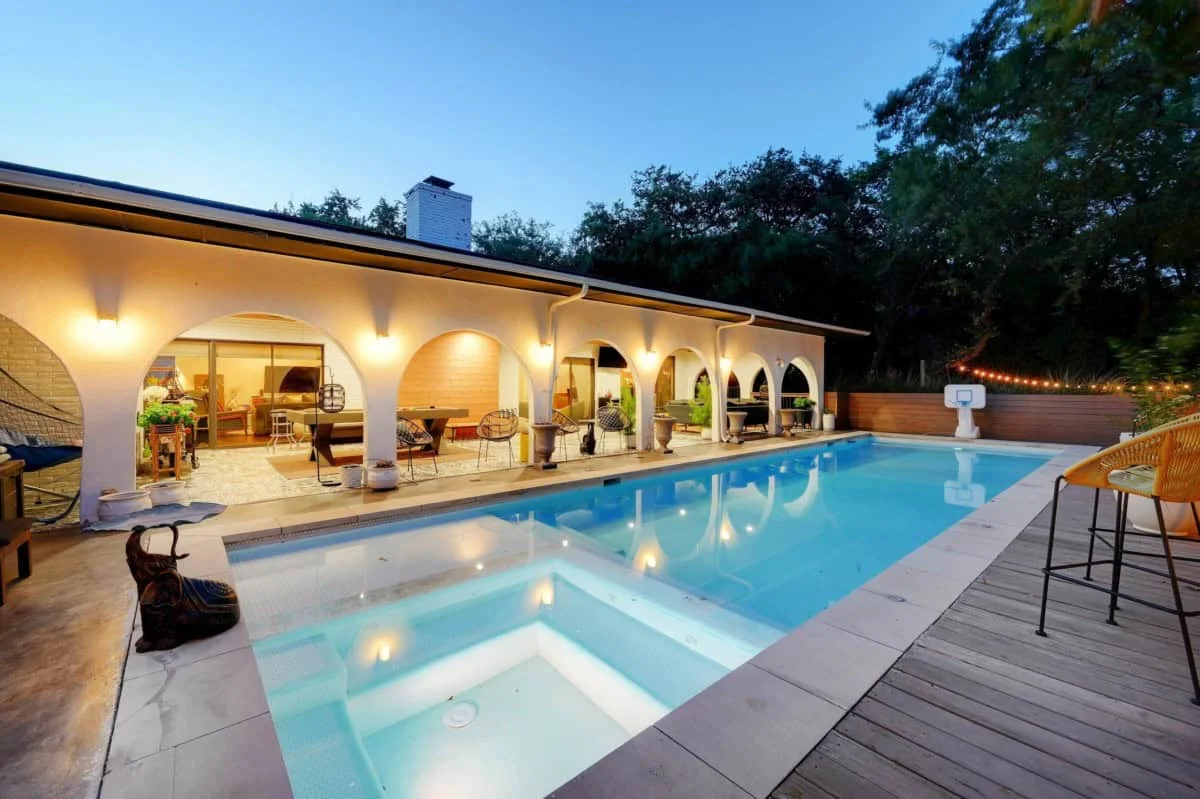
Outside, the style tends to favor texture, warm color and materials that sit comfortably alongside the landscape. Common features include:
- Stucco walls: Smooth or textured finishes, often in white, cream, beige or other earthy shades.
- Terracotta or red clay tile roofs: Barrel-shaped tiles bring color and reinforce the Spanish and Italian influences.
- Arched windows and doorways: Rounded openings may frame entries, windows, patios or transitions between rooms.
- Wrought iron: Railings, balconies, gates, lanterns and window details add decorative metalwork.
- Outdoor gathering spaces: Balconies and courtyards offer places to relax or entertain, often with some shade.
- Natural landscaping: Gardens, fountains, stone paths and mature trees complement the architecture; see ideas for natural landscaping.
- Wood and stone: Exposed beams, wooden doors and stone details bring contrast and warmth to stucco.
Mediterranean interiors
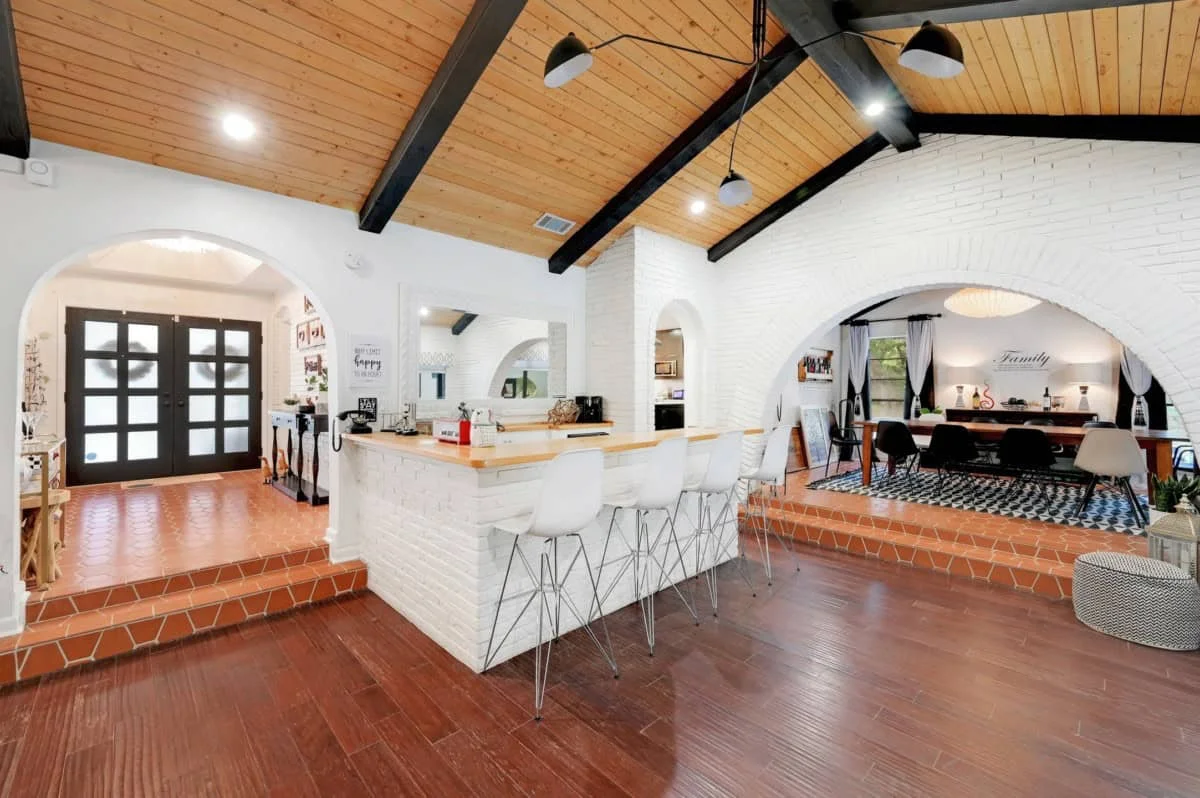
The same preference for natural materials and crafted detail carries indoors. These rooms often feel layered and lived in, rather than spare or perfectly matched. Mediterranean interior design commonly brings together tile, stone, wood and textured finishes.
“Inside, you’ll often find high ceilings, decorative tilework, and an easy flow between indoor and outdoor living spaces,” say Carole Smith and Cristina Formosa of Smith Formosa Team.
Typical interior details include:
- High or vaulted ceilings: They create a sense of space and can expose beams or other architectural details.
- Exposed wood beams: Natural or dark-stained beams add character to living rooms, kitchens and dining rooms.
- Decorative tile: Terracotta, patterned or hand-painted tile may appear on floors, backsplashes, stair risers, fireplaces and accent walls.
- Natural stone: Limestone, travertine and similar finishes can be used on floors, fireplaces, counters and walls.
- Warm, earthy colors: Cream, sand, terracotta, ochre and olive work alongside wood and stone.
- French doors and large openings: These can connect interior rooms with gardens, balconies, patios or courtyards.
- Textured finishes: Plaster, natural fabrics, aged metals and handmade materials give rooms a tactile, collected feel.
- Indoor-outdoor living: Kitchens, dining rooms and living rooms may open directly onto terraces or patios.
Four Mediterranean house styles
Several architectural revivals shaped what Americans recognize as Mediterranean design. Their shared materials can make them look related, but their details and level of formality differ.
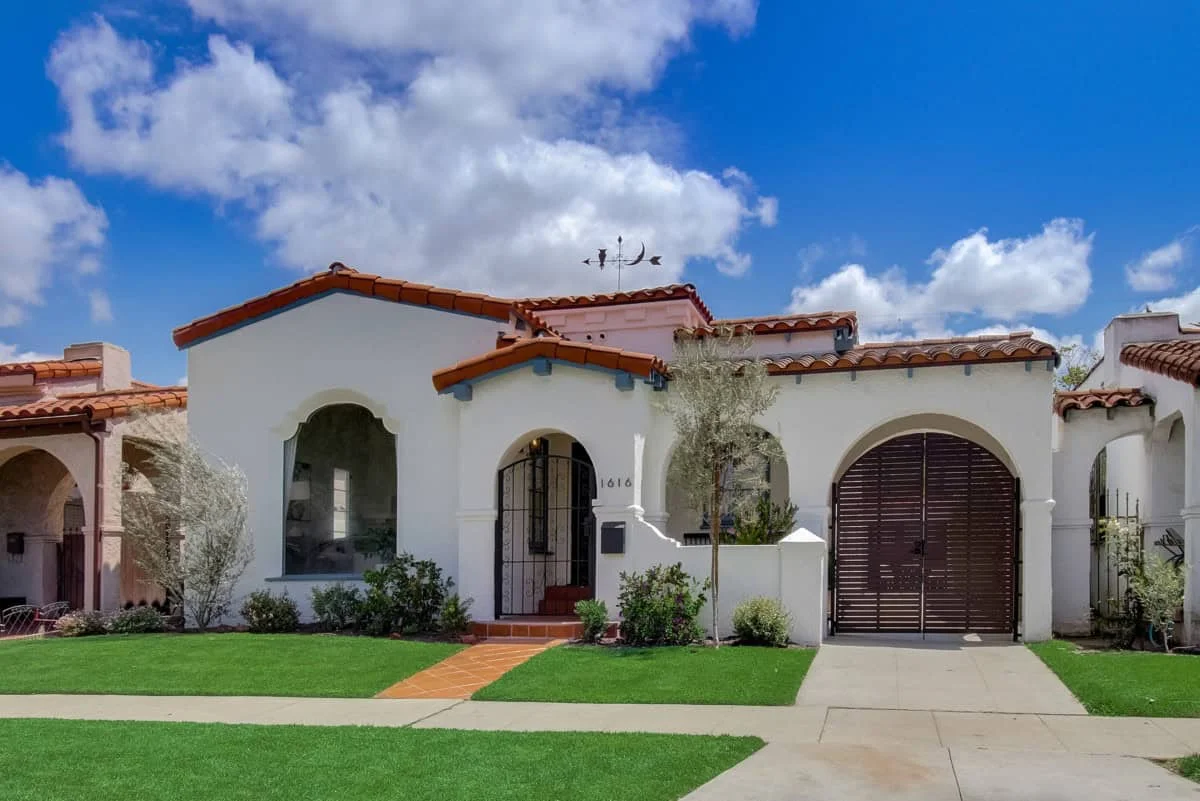
Mission Revival (1890–1915)
Popular during the Arts and Crafts movement, Mission Revival borrowed heavily from California’s Spanish mission buildings. It was an early popular form of Mediterranean-style architecture in the U.S., and its influence still appears in newer homes.
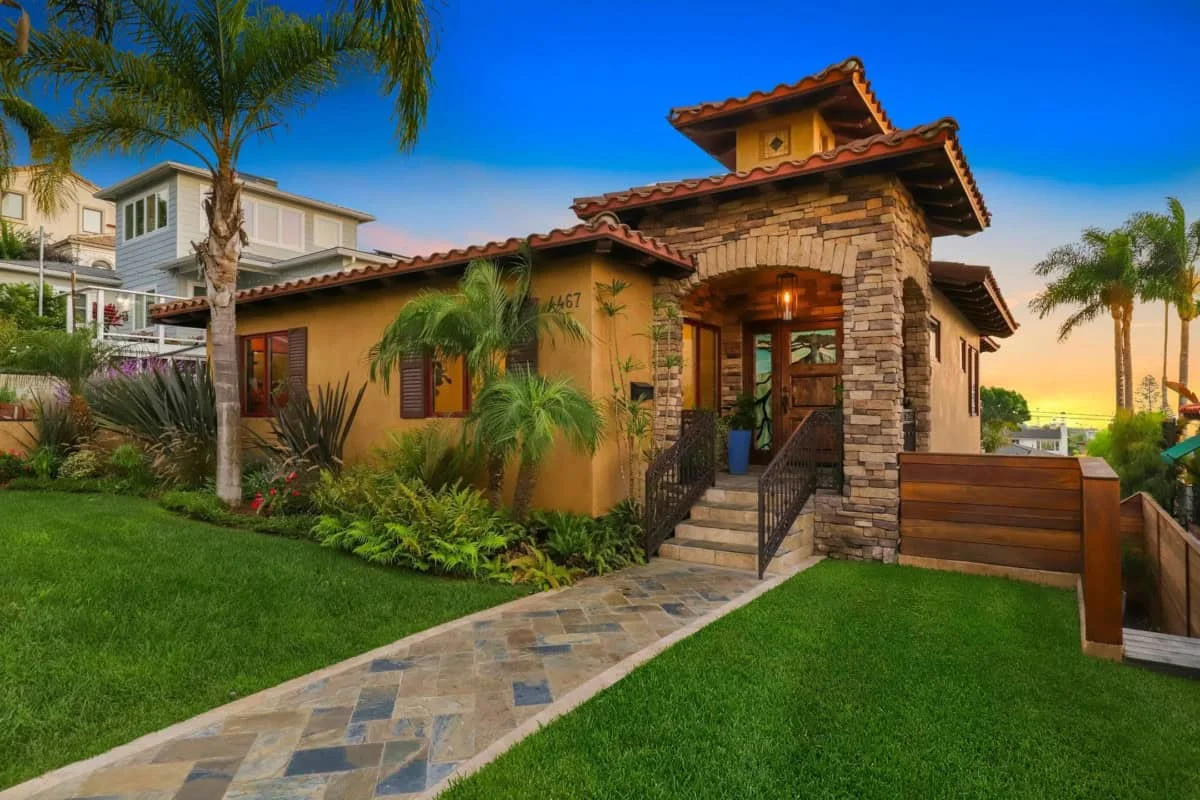
Italian Renaissance (1890–1930)
This type looks to Italian Renaissance architecture. Clay roofs, tall two-story façades, columns and grand rounded arches give these homes a more formal presence than other Mediterranean variations.
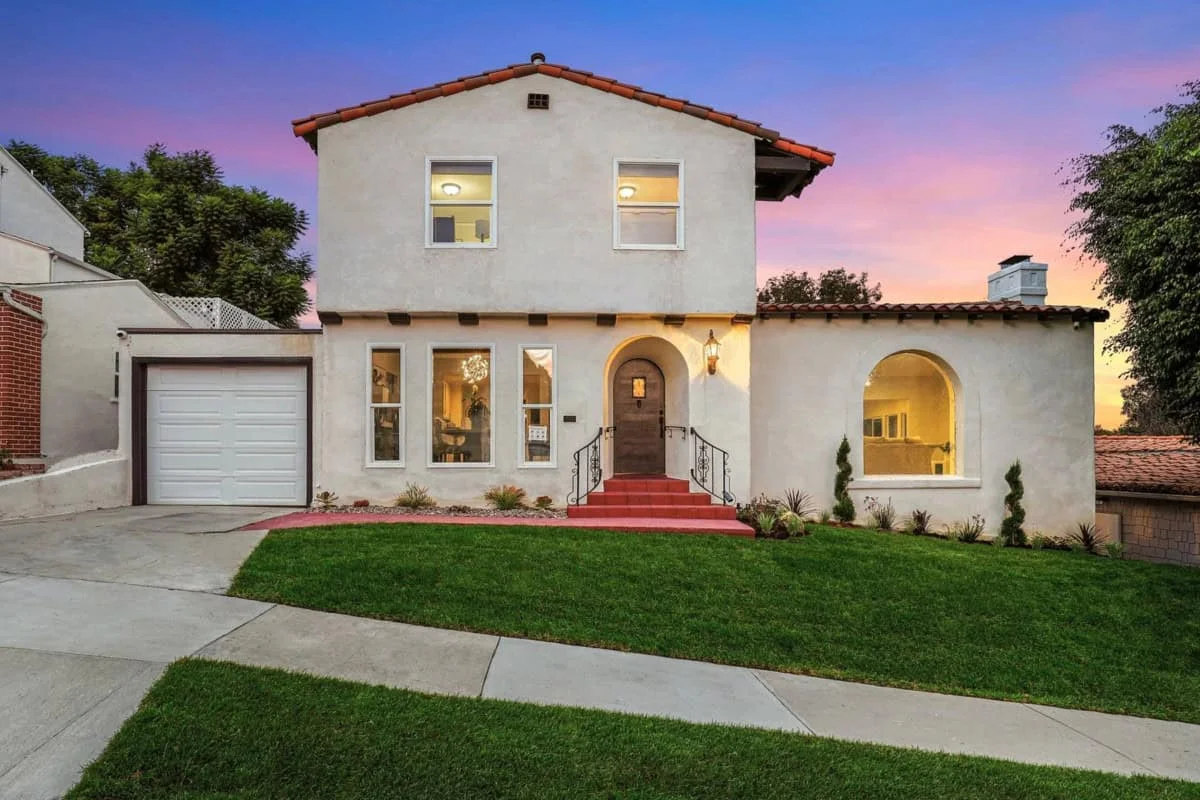
Spanish Colonial Revival (1915–1930)
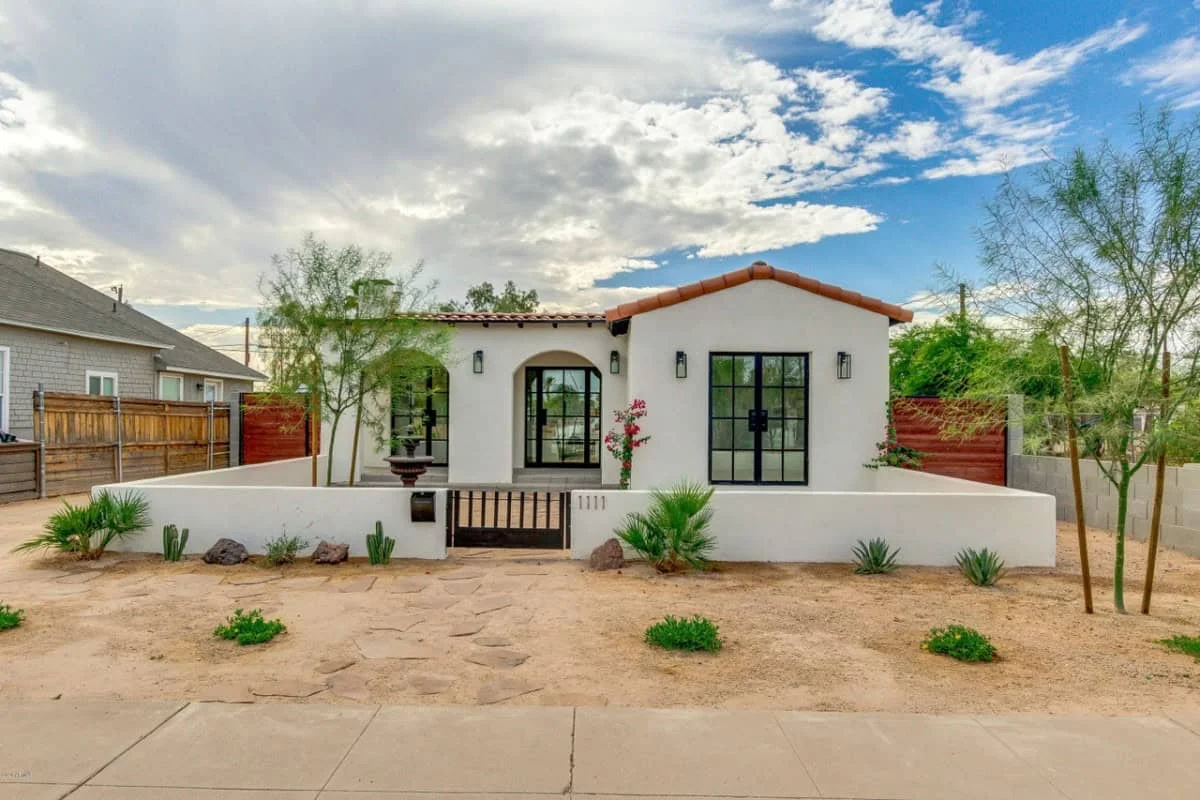
Spanish Colonial Revival homes generally use low-pitched roofs, clean lines and symmetrical façades. The style peaked in popularity in the 1920s and 1930s. Many examples are simpler than Italian Renaissance homes, though elaborate ironwork and tile can add considerable detail.
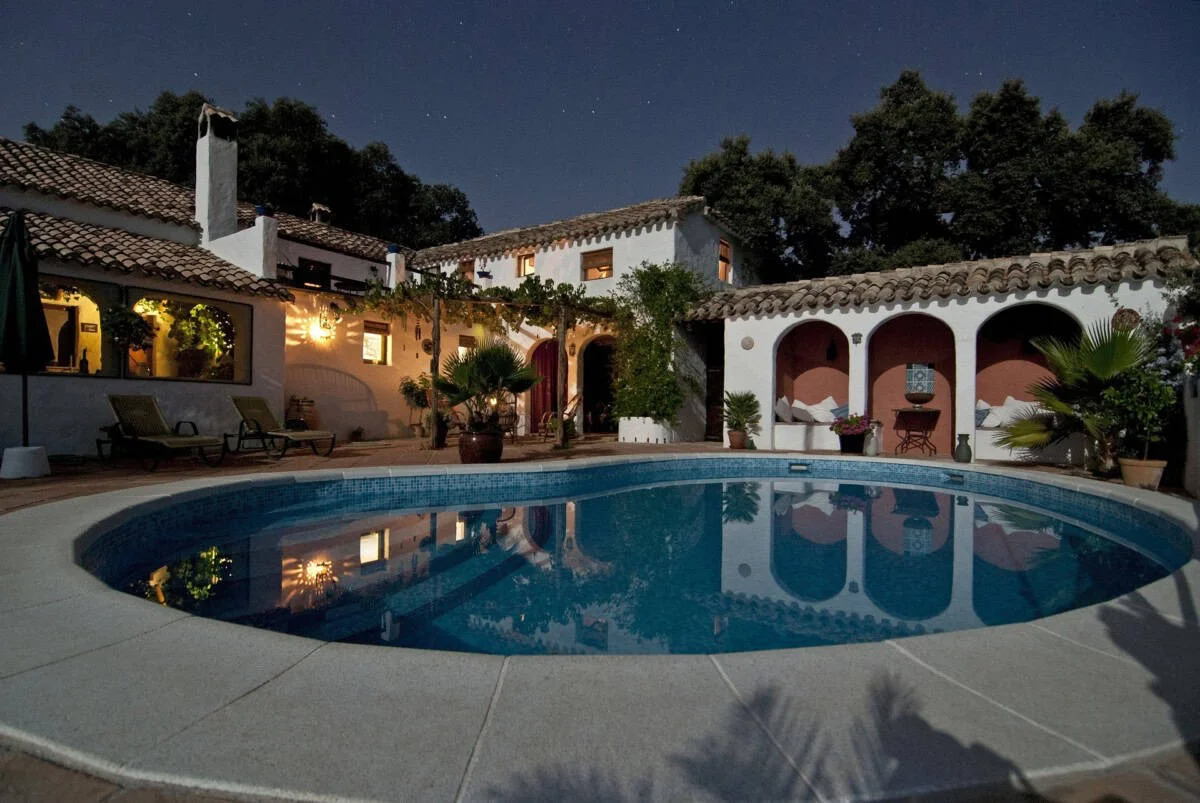
Modern Mediterranean
Newer homes often combine Spanish and Italian references with cleaner lines and contemporary floor plans. They may lack some of the character of a historic home, but can retain tile roofs, arches and a strong connection to outdoor living.
Smith and Formosa describe the look as a fit for South Florida, citing stucco exteriors, terracotta roofs, wrought iron, arches and courtyards. The style’s tropical feel suits the region’s warm weather and lush surroundings, they say. For buyers, the practical question is whether the layout and materials work as well as the façade suggests.
Advantages and drawbacks
Every home style comes with tradeoffs, and Mediterranean design is no exception. Its exposed beams, tile and ironwork give owners distinctive architectural details to work with. In warm parts of California, stucco walls can help keep interiors cooler, and the materials may appeal to buyers looking for a more eco-friendly home. Those features are worth weighing alongside the upkeep and other considerations when choosing a house.
Pros of Mediterranean homes
Architectural details such as beams, tile and ironwork give the home character and offer a clear design direction. Stucco can help moderate indoor temperatures in California’s warm climate, while natural materials may suit buyers seeking a more sustainable home. For ideas on highlighting architectural details, see Redfin’s guide.
Cons of Mediterranean homes
The tradeoff in Mediterranean homes is more practical than the style’s sunny image suggests. Lower ceilings, limited storage and smaller windows can make rooms feel tight, while decorating takes care: the goal is to work with the home’s character rather than cover it up. And the architecture won’t suit every climate or buyer. If you’re searching in Boston, MA, for instance, a Cape Cod-style house may be a better fit for cold, snowy winters; traditional Mediterranean building materials are better suited to warmer conditions.
Mediterranean style: the lasting appeal
What makes the style endure is its blend of Spanish and Italian architectural character with easy indoor-outdoor living. Stucco walls, terracotta roofs, arches, courtyards and natural materials give these homes a distinct look, while modern versions adapt that tradition to contemporary life. The appeal is real, but so are the compromises: buyers should weigh the atmosphere against room size, storage and climate.
How to search for Mediterranean homes
If you’re ready to look, Redfin lets you narrow listings by location and style. Start at Redfin.com and enter a city, such as Santa Barbara, or a ZIP code.

Open “Filters,” choose “Home features,” then enter “Mediterranean,” “Spanish,” “Italian,” or another style in the keywords box.

Apply the filters and review the matching listings.


Redfin’s conversational search is another option for describing what you want in plain language. Either way, be clear about the features you value most; the style label alone won’t tell you whether a particular home fits your needs.
The post What is a Mediterranean-Style House? Blending Italian and Spanish Architecture appeared first on Redfin | Real Estate Tips for Home Buying, Selling & More.