Winter-Ready Patios and Porches in Boulder, Seattle, Boston and Philly
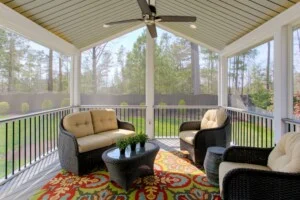
Picture a clear winter afternoon, the sun low and a mug of something hot in your hands. The porch is right outside, but it feels more like a hallway than a room. The chairs are cold, the wind finds its way under your collar, and the light fades before you've even sat down. So you go back inside, and the space you loved all summer sits unused until spring.
That pattern plays out differently depending on where you live. Snow-clearing on a deck in Boulder, CO is a different chore from a damp evening on a patio in Seattle, WA, and a crisp night out in Boston, MA has its own rules. The good news is that a handful of modest changes can extend the usable season almost anywhere. My read is that the fixes that matter most come down to five things: shelter, warmth, light, soft layers and protecting the furniture you already own.
Start with one small seating area
You don't need to winterize the whole yard. Picking a single spot keeps the project manageable and makes it far easier to heat, light and keep clear of debris. Colin Davies of Security Pacific Real Estate takes exactly this approach in the East Bay:
"I'd focus on one small seating area, preferably sheltered from wind and rain, ready for the dry breaks between storms. An outdoor heater can help on chilly evenings, or a small fire pit is a great option in an open area away from structures and overhead cover. Add quick-drying cushions, warm throws, and soft, outdoor-rated lighting around the chairs and along the path back inside. Keep cushions and throws just inside the back door so they stay dry and are easy to grab when the weather clears."
That last tip is the one people skip, and it's the one that keeps the setup usable. If the cushions live in the garage and the throws sit on the couch, you'll rarely bother going out.
Add cover and plan for drainage
A covered area, a clear route for water to drain and an entry that stays free of snow and ice make every other upgrade more useful. In heavy-snow regions, those basics often determine whether a patio gets used at all. Hillary Johnson of SmartPads sees this play out across the Rocky Mountains:
"The Rocky Mountains bring their own set of challenges, from heavy snowfall to strong winds and freezing temperatures. Covered entries, smart rooflines and proper drainage all matter if you want your outdoor spaces to be usable in January. Inside, a well-insulated, airtight home with radiant heating makes a big difference in both comfort and energy efficiency. These are the things we obsess over at SmartPads, because we'd rather you spend your time enjoying the view than pushing a shovel."
If the yard has no cover at all, an awning, pergola or porch roof gives you a dry place to start. Even positioning seating in a corner against the house can cut down on wind.
Block the wind and pick the right heat source
Wind can make a patio feel colder than the thermometer suggests, so plan for it before buying a heater. Shaina McAndrews, team leader of the Shaina McAndrews Team at eXp Realty, works through this in Greater Philadelphia:
"Most Greater Philadelphia winters are less snow globe and more 38 degrees and damp, so plan for raw wind and drizzle instead of blizzards: clear vinyl curtains on a covered porch or pergola block the breeze without hiding the view, and an infrared heater warms people directly instead of losing heat to the open air. Follow the sun, too, because moving your seating to the spot that catches late-afternoon light, especially against a brick or stone wall that holds warmth, can make a noticeable difference."
That Philadelphia-area advice is worth reading closely. Clear curtains and a thermal wall do more for comfort than a bigger heater ever will.
Electric, propane, tabletop and infrared heaters all have their place, and so do outdoor fireplaces and chimineas. Each suits a different setup, so match the heat source to how enclosed your space is. Whatever you pick, read the manufacturer's guidance on clearance, ventilation and outdoor ratings, especially if you plan to enclose a porch with curtains. Local fire codes and HOA rules may also apply, so check those before the first cold snap.
Layer on light and soft textiles
Gray days and early sunsets put more pressure on lighting and textiles in winter. Together they make a space feel warmer before the heater even turns on. Three layers are worth considering:
- String lights: Run them along the porch edge or zigzag them over the seating area.
- Ceiling fixtures: If the porch has a ceiling fan, you may be able to add a light kit or swap in a fixture with built-in lights.
- An indoor-outdoor rug: It creates a barrier between your feet and cold concrete or deck boards, dries quickly and gives pets a comfortable place to rest.
On fabrics, McAndrews is direct: "Pick wool or performance throws over cotton which can get soaked in humid climates. Put warm, low lighting along steps and walkways since dark, icy entries are a bigger hazard in the winter."
That lighting advice deserves more weight than it gets. Steps and walkways are where winter accidents happen, and they're the cheapest part of the setup to fix.
Create a gathering spot and protect the furniture
A focal point gives people a reason to step outside. A fire pit, a chiminea or a cluster of comfortable chairs can anchor the space, and weather-ready furniture helps it last. Rain, ice and repeated freeze-thaw cycles wear down outdoor pieces faster than most owners expect, so protecting them between uses pays off. Barrett Sotheby's International Realty sees this approach work in New England:
"A fire pit can make an outdoor space feel inviting even as the temperatures drop. Add weather-resistant seating, cozy blankets and soft patio lighting to create a comfortable spot for enjoying the clear, crisp New England weather. Covering furniture between uses helps keep it clean and dry while extending its life for future seasons."
Fitted covers handle most of the work during the season, and wiping pieces down before storage keeps grime from setting in. If you have a garage or shed, moving cushions and lightweight pieces indoors gives them extra protection. A yearly home maintenance schedule helps fold these chores into the rest of the seasonal to-do list, and tips on winterizing a house cover the indoor and exterior steps that go alongside them.
Keep some greenery going
Plants are the finishing touch. Empty summer planters can make a porch look shut down for the season, while small pines or evergreens, hardy ivy and other cold-tolerant plants keep pots looking full. In milder climates, pansies and violas can also hold up. When spring arrives, many evergreens can move into the yard, so the same pots pull double duty.
A quick winter patio checklist
- Pick one small seating area to focus on.
- Check that the space has cover, drainage and a clear path to the door.
- Block wind with curtains, screens or a spot against the house.
- Pick a heater or fire feature, and check the instructions and local rules.
- Add layers of light for the seating area, steps and walkways.
- Lay down an indoor-outdoor rug and add weather-ready throws.
- Refresh planters with evergreens or other cold-tolerant plants.
- Cover or store furniture before heavy rain, ice or snow.
Why this matters for buyers and sellers
For anyone shopping in a cold-weather market, a porch or patio that works in January is a real advantage. It's a space people can actually use for most of the year, and it shows well in a listing photographed on a sunny afternoon and in person on a gray one. For current owners, these upgrades are mostly small, inexpensive and reversible. Most of them are things you'd buy anyway.
The strongest winter setups rarely need a full renovation. Shelter, a safe source of warmth, good lighting and a few soft layers go a long way toward making outdoor space easier to enjoy through the coldest months. Start with one seating area this season and see how often you use it.
Whether you're improving the home you have or looking for a place with a porch or patio you can use year-round, you can browse homes for sale on Redfin or connect with a Redfin real estate agent to talk through what you want from your outdoor space.
Frequently asked questions
1. What is the cheapest way to warm up an outdoor space in winter?
Layering is usually the lowest-cost place to start. Blankets, wool or performance throws and an indoor-outdoor rug add comfort without new equipment. Moving seating to a sunnier, wind-protected spot also helps at no cost.
2. Can I use a heater on a covered porch?
It depends on the heater and the space. Confirm it's rated for covered outdoor use, follow the clearance and ventilation guidance, and keep it clear of fabrics and furniture. Recheck those guidelines if you plan to enclose the porch.
3. How can I keep outdoor cushions dry in winter?
Choose quick-drying cushions and store them somewhere sheltered, such as a garage or a deck box. Cover furniture between uses so rain and snow don't soak in.
4. Can I put a fire pit on my deck or patio?
Safety rules vary. Place fire pits in open areas away from structures and overhead cover. If you're unsure, check your local fire code, HOA rules, the product instructions or your local fire department.
5. What plants work for a winter porch?
Porch planters often use small evergreens and hardy ivy, and milder climates can support pansies and violas. Your local cooperative extension office can recommend options for your region.