Storybook Homes: From 1920s Hollywood Sets to Today's Buyers
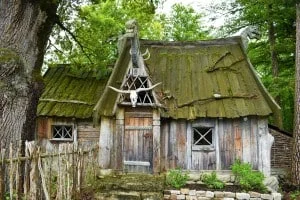
Spot one on a residential street and you'll stop walking. The swooping roofline, the round wooden door, the chimney that leans like it's eavesdropping: these homes look lifted from a picture book. Pockets of them still sit in Carmel-by-the-Sea and across Los Angeles, where the style took hold. For buyers and sellers, the real question is whether that whimsy holds up on the balance sheet and in daily life.
What separates a storybook home from a cottage
A storybook house is built to feel like a fairy tale. You'll also hear them called fairy-tale cottages or Hansel and Gretel houses. They draw on the thatched and timbered cottages of English and European countryside folklore, the same well as cottage-style homes. The difference is how far the details get pushed. A standard cottage keeps its composure. A storybook house lets the roofline bend, the arches grow taller, and the chimney tilt a little more than anyone would expect.
Size is a tendency here, not a requirement. Most storybook homes are small to mid-sized, but a large one can still qualify. What makes the style is its playfulness, and square footage has little to do with it.
Where the look started
The style took shape in 1920s Southern California, and Hollywood's fingerprints are all over it. Film set designers and art directors were already building fantastical, old-world cottages for the screen. Residential builders noticed, and the same imagination migrated into real neighborhoods.
The Spadena House is the best-known early example. It went up in 1921 as an office for a film studio, then moved to Beverly Hills, where its crooked, witchy silhouette still stops foot traffic. Around the same time, builder Hugh Comstock started putting up playful cottages in Carmel-by-the-Sea. His first tiny house was designed to display his wife's handmade dolls. That whimsical origin story helped the cottages become a local signature, and the look spread to other parts of the country.
Many newer designs trace their lineage to Tudor style houses, which share the steep rooflines and arched doorways that define the storybook vocabulary. If you're comparing listings, a Tudor-influenced facade and a storybook one can look similar at a glance, so check the details before assuming which you're looking at.
Architectural features to look for
No two storybook houses match, but a handful of details keep showing up:
- Steep, dramatic rooflines. Expect steeply pitched gables and edges that curve or roll, sometimes styled to suggest thatch.
- Arched doors and windows. Rounded, often oversized entries and arched windows soften the facade.
- Mixed natural materials. Brick, stone, stucco, and timber often share a single exterior.
- Asymmetry. Rooms and rooflines jut out at odd angles, which gives the house an organic, grew-over-time feel.
- Decorative windows and trim. Diamond-paned or leaded glass and carved wood add a handcrafted touch.
- Storybook chimneys. They tend to be tall, tapered, or deliberately crooked.
The exaggeration is what really defines the style. Audrey Leavitt of Charmed Playhouses and Storybook Resorts, whose company builds storybook-inspired structures, puts it plainly: "A storybook house exaggerates details a normal home keeps restrained. Steeply pitched rooflines, exaggerated arches, and crooked chimneys or walls built with intentional crookedness are all features of the storybook homes we build. We also add details you rarely see elsewhere, including thatched roofs, diamond-paned windows, and hand-carved trim."
Life inside the storybook
The fairy tale doesn't end at the threshold. Inside, you'll usually find snug rooms, built-in nooks, exposed beams, and ceilings that rise and dip with the roof. Some floor plans feel delightfully quirky. Others can read as tight or chopped up by modern standards, especially if you want an open-concept living area.
That tension is a big reason many buyers who love the style choose to build new. Greg Nanula of Essex Homes of WNY locates the personal part of the process in the planning stage. "Being a semi-custom homebuilder, this is the fun part of our job: creatively working with customers to customize the spaces of their new home that are important to them to attain 'Dream-Home Status.' It all starts with defining desired room sizes and proper floorplan flow to ensure it all meets our customer's level of comfort. That carefully planned layout paves the way so our customers can layer in their desired finishes, with the assistance of professional designers of course, resulting in a home that 100% reflects their needs and style."
If you're buying an existing storybook home, read up on what to look for when buying an older home and walk the place with flow in mind. Picture your sofa in each room, trace how the rooms connect, and decide honestly whether each quirk delights you or simply gets in the way.
Maintenance is where the charm gets expensive
Character costs something. Complex rooflines create more valleys, flashing, and seams, and each one is a potential path for water. Wood trim and decorative details need regular attention. Specialty materials like handmade glass or rolled-edge roofing can be harder and pricier to repair than their standard counterparts. Older homes also tend to carry hidden issues, such as original wiring, plumbing, and insulation that haven't kept pace with modern standards.
Before you buy, or as part of routine upkeep, focus on a few things:
- Schedule a thorough roof inspection and pay close attention to valleys, dormers, and chimneys.
- Ask for the history of repairs to windows, trim, and exterior finishes.
- Hire contractors who have worked on older or custom homes. Not every crew is comfortable with unusual rooflines.
- Verify the insulation, HVAC, and electrical updates, especially in homes built decades ago. Consider specialty home inspections if the house has older systems.
Newer builds can deliver the look without the legacy headaches. Jennifer Nettles of Epic Homes says the answer lies in pairing the design with modern know-how. "What makes a storybook home so special is its character – steep, distinctive rooflines, arched entryways, charming windows, and beautiful combinations of brick, stone, and natural materials. As a custom home builder, I believe the key to creating this timeless style is balancing unique architectural details with modern building techniques, energy efficiency, and practical maintenance. With thoughtful design and craftsmanship, homeowners can capture that fairytale charm while enjoying the comfort and functionality of a modern home."
Resale appeal in a niche market
Storybook houses tend to build loyal fans. Their curb appeal is hard to match, and a distinctive facade stands out in listing photos, particularly when sellers know how to stage a house for photos. The catch is that the style is a niche one. The buyer pool is usually smaller than it is for more popular home styles, and an unusual layout or heavy upkeep can make some shoppers hesitate.
Several factors shape how these homes perform when they hit the market:
- Condition: Sound roofs, windows, and exteriors reassure buyers faster than anything else.
- Authenticity and craftsmanship: Original details and quality materials are often what buyers pay for.
- Location: Storybook homes carry extra weight in neighborhoods where the style is part of the local identity.
- Updates: Modernized kitchens, baths, and systems let buyers fall for the charm without fretting over everything else.
Cindy Stumpo of C Stumpo Development argues that lasting appeal depends on fundamentals. "A storybook house should make you stop in your tracks outside and feel right at home the second you walk through the door. That takes more than charm – it takes beautiful proportions, quality materials, and craftsmanship in every detail."
If you're weighing a purchase, a local agent who knows how storybook and similar styles sell in your area can show you what to expect on price, days on market, and buyer demand.
Is a storybook house the right fit?
A storybook house won't suit every buyer, but for the right person it's a home that never loses its appeal. Study the roofline, the materials, and the craftsmanship. Then weigh the charm against the upkeep and the layout. The fairy-tale look is easy to fall for from the sidewalk. The harder question is whether you'll still love that crooked hallway on a gray February morning, and whether you're ready to maintain the roof that makes the house special.