Online Listing Presentation: What Helps Homes Stand Out to Buyers
A home’s online presentation can shape whether a buyer ever sees it in person. Photos may win the first pause, but clear details, a readable layout and an accurate sense of the property help turn that attention into a showing. For sellers in markets from Austin, TX, to Atlanta, GA, the practical aim is the same: make the listing easy to understand and worth a closer look.

Photography sets the first impression
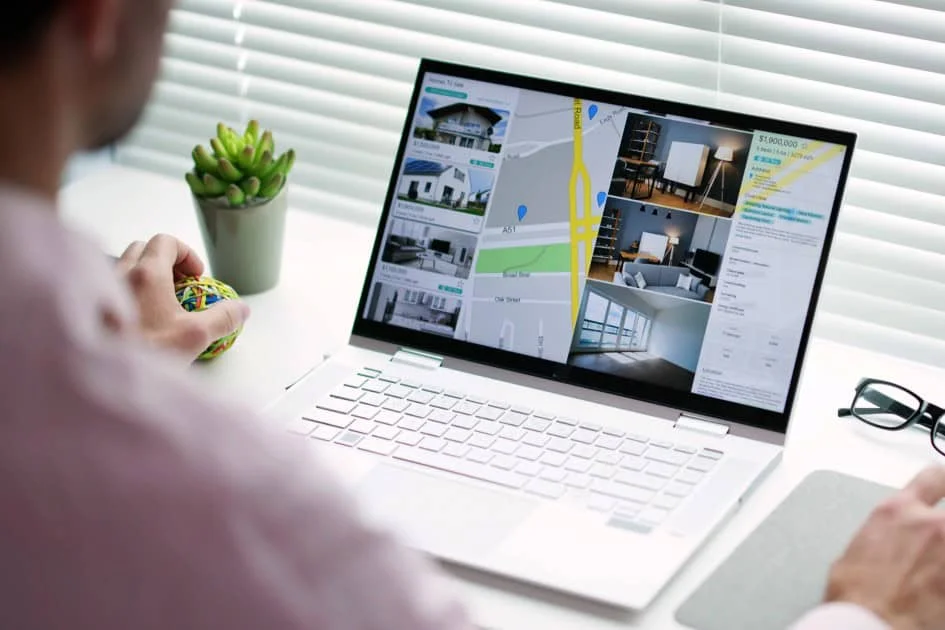
Listing images are often a buyer’s first encounter with a property, so technical quality and honest representation both matter. Chris Prichard, a real estate expert in Birmingham, Alabama, argues that professional photography should be a basic part of a listing plan: “If your realtor doesn’t use professional photography, that’s a red flag. Homes that don’t show well online get fewer showings – and as I tell my clients, no show = no sell.”
Brian McDonald Photography likewise calls professional images “a must,” because buyers use them when deciding whether to view a home. Jason McCann of Wise Real Estate Photography makes the case for an inviting lead image: “Your home’s first showing often happens on a phone, so lead with a photo that makes buyers want to see more.” He says good photography should look bright while still representing the property accurately.
That balance matters. A strong image helps buyers read a room, its light and its features; an image that misleads can leave them disappointed at the showing. Clear framing and natural looking light do more useful work than distortion or editing that changes the impression of the space.
Prepare the property for the camera
Photography can only show what’s in front of the lens. Before the shoot, sellers can make rooms easier to read by cleaning, decluttering and addressing small distractions. McCann recommends clearing counters, putting away cords and personal items, and tidying the landscaping so attention stays on the home.
A quick room by room review helps identify crowded surfaces, visible storage that needs organizing and belongings that dominate the frame. The point isn’t to erase the home’s character. Brian McDonald Photography recommends simple staging that lets buyers imagine living there, rather than filling each room with decorative objects.
Some modest exterior work can also make a difference in how a listing reads. Prichard suggests painting the front door, replacing door hardware or address numbers, putting out a clean doormat, edging and power washing the driveway and sidewalks, and refreshing front beds with pine straw. A seasonal plant or wreath can add color. Sellers can choose the tasks that fit the property; the useful standard is a neat entrance and exterior that convey care.
Inside, Diane Deaton Street of Diane Deaton Street suggests using a few colorful details, such as fresh flowers, pillows, blankets or lamps, to bring warmth to photographs. For outdoor areas, she says string lights can frame a space, particularly in twilight images. Restraint is part of the approach: small accents should help define the room, not compete with it.
>> Learn: How to Stage a House for Photos
Use the description to supply missing context
Images can show finishes and furnishings, but they may not explain recent upgrades, storage, outdoor amenities or how a home functions. The listing description should fill those gaps with specific, useful information. Rather than lean on labels such as “stunning home” or “must-see property,” describe what a buyer can actually expect to find.
Craig Westerman, Founder and CEO of Hometrack Real Estate Marketing, recommends reviewing the property from an unfamiliar buyer’s point of view: “Walk through your home like a stranger and ask yourself, ‘Is this helping someone fall in love with the home, or distracting them from it?’” Apply the same test to the copy. Keep claims clear, relevant and consistent with the property itself.

Choose visual formats for what they explain
Still photos provide the foundation, but they don’t always show how rooms connect, how a lot is arranged or how a home sits in its surroundings. Westerman recommends considering professional photography alongside drone images, video, 3D tours and floor plans. Each format should answer a question a buyer might have.
Video and short highlight reels
A video walkthrough can convey movement through a home, including the transition between a kitchen and living area or access to a patio. Krisse Newport, President of Southern Real Estate Media, recommends a focused highlight reel of under 90 seconds that covers the home’s main interior and exterior features.
DeAnn Martin, Founder and President of A-Zing Realty Media, describes how formats can reinforce one another: “The right photo makes someone stop, video makes them stay, reels pull them back in and wanting more, and consistent digital marketing keeps the listing in front of them.” The editorial test is straightforward: every clip should show something that helps buyers judge the property.
Aerial images, plans and 3D tours
Aerial photography is most useful when the lot, outdoor features or surrounding setting contribute to the property’s appeal. Newport says aerial images can show “the property and its relative location to surrounding areas or neighborhood amenities.” They can make the relationship between the house, yard and nearby context easier to grasp than ground level shots alone.
Floor plans and 3D tours answer a different question: how does the space fit together? Michael Basch, Owner of Hangtime 27, says walkthrough video shows connections between rooms, plans clarify layout, and aerial photos put the grounds and setting in perspective. McCann also recommends pairing photos with a plan or 3D tour so buyers can follow the connections between spaces.
For people comparing homes remotely, those tools can provide useful context before an in person visit. Plans with dimensions may also help buyers think through room uses and furniture placement. Not every listing needs every format; the strongest package is the one that explains the home’s particular layout, lot or amenities.
Price affects who finds the listing
Online visibility also depends on how buyers search. Many set a price range, and a listing above their selected maximum may not appear in the results they browse. Strong photos and video can’t reach people who never see the property in their search.
A local agent can help sellers review comparable properties, recent sales and current market conditions when setting an asking price. That assessment sits alongside presentation: one helps determine who encounters the listing, while the other helps those buyers understand the home.
Keep digital enhancements clear
Virtual staging and image adjustments can help illustrate a room’s potential, but buyers need to understand what they’re looking at. Basch recommends identifying digital enhancements and virtual staging clearly. If images use virtual furnishings, a twilight conversion or other edits, the presentation should not give a false impression of the home’s condition, layout or permanent features.
Build a listing buyers can assess
The most effective online presentation gives buyers a coherent view of the property: accurate images, a description with specifics, and additional formats where they answer real questions. Before launch, review the full listing as a buyer would. If the photos, copy and plans work together, buyers can decide more confidently whether to book a showing.
Digital presentation questions
What does digital curb appeal include?
It covers the ways a home appears online, including listing photography, written details, video, floor plans, virtual tours and other media that shape a buyer’s first impression.
What matters most in listing photos?
Images should be well lit, clearly framed and representative of the property. Professional photography can help present rooms consistently, while accurate images help buyers form realistic expectations before a visit.
How should sellers prepare for photography?
Clean and declutter the rooms being photographed, clear counters, put away personal items, organize visible storage and tidy the yard and entrance. Address distracting maintenance issues where practical.
Can sellers use virtual staging?
Virtual staging and other enhancements may be subject to listing service and market requirements. Identify edited images clearly and ensure they don’t misrepresent the property’s condition or features.
Does every listing need video or a 3D tour?
No. Photos are the starting point. Video, plans, aerial images and 3D tours are most useful when they clarify the layout, lot, outdoor spaces or features that still images can’t explain well.