Making a New Apartment Feel Like Home: A Practical Move-In Plan
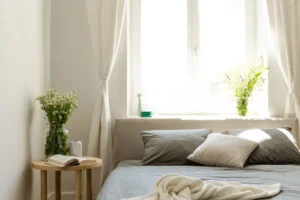
A new rental starts to feel like home when daily life works there. Before choosing art or arranging decorative pieces, renters can make faster progress by documenting the apartment, getting essential rooms functional and giving belongings a place. The same sequence can help whether you’re unpacking in Chicago, IL, moving into a high-rise in Atlanta, GA, or settling near a park in Denver, CO.
The first weeks in a rental are also a chance to learn how the unit functions and how the surrounding area fits your routine. A few focused steps can make the transition feel less like an ongoing move and more like the start of a familiar day-to-day life.

Start with the apartment itself
Before furniture and boxes obscure the floors, walls and cupboards, take another look at the unit. Even if you completed an apartment walkthrough before signing, a move-in inspection gives you a clear record of the condition you received. Photograph existing marks, damage or unfinished work, including scuffed paint, stained carpet and cracked tile. Check your lease for a condition checklist and its return deadline.
Put repair concerns in writing through the process your landlord or property manager specifies. Keeping dated photos and a written record makes it easier to track what you reported, while getting questions addressed early can help you focus on settling in.
Clean before filling cabinets, drawers and closets. With shelves empty, it’s simpler to wipe down surfaces, clean inside the refrigerator and reach the places you’ll use every day. If you’re considering shelf liners, first check what your lease allows. Removable or non-adhesive options are usually easier to take out, but test a hidden spot to see whether a product leaves residue or affects the finish. If the landlord asks for approval, keep the response.
>> Read: Rental-Friendly Upgrades: What to Know About Your Lease Before Making Changes
Make everyday routines work first
It’s easy to feel as though every room needs attention at once. Separate the tasks that make the home usable from the ones that can wait. A made bed, a functioning kitchen and a shower curtain will matter on the first night; a fully styled living room can develop later. The distinction gives you a practical order of work without making decoration another moving-day deadline.
Wurth Property Management recommends starting with daily needs, then using lighting and other flexible details to make a rental feel warmer. The company also points to greeting neighbors as one way tenants can settle into a new building. As it puts it: “Start with the things you touch every day. Get the bed made, the kitchen working, and the shower curtain up before you worry about decorating, because those are what make a place feel livable on night one. After that, lighting does more than people expect. Most rentals come with harsh overhead lights, so a couple of floor lamps and warm bulbs will change the feel of a room more than any piece of art. Rugs, curtains, and plants are the next easy wins, since they add warmth without touching the walls or putting your deposit at risk. And don’t skip the neighbors. After decades in this business, I’ve noticed the tenants who settle in fastest are usually the ones who say hello in the hallway that first week.”
A short two-column list can turn that advice into a plan: essentials to handle now, and improvements to consider as you learn how you use the space. Unpack one room at a time, starting with the room that will make the biggest difference to your routine. A finished bedroom or kitchen offers a usable place to reset while other boxes remain.
- Label boxes by room before moving day, where possible, so they’re easier to place.
- Break down empty boxes regularly and check building guidance on recycling or disposal.
- Keep a “not sure yet” box for items that need a decision after you’ve lived in the apartment for a while.
- Use short unpacking sessions with a specific goal, such as finishing one closet.
>>Read: How to Unpack After Moving
Give belongings a place, then add personality
Limited cabinet and closet space can make an apartment feel crowded quickly. Before buying organizers, see what storage the unit already offers and decide where frequently used items belong. A hook near the entrance, for example, can keep keys handy; grouping kitchen tools makes them easier to find and return. Store seasonal belongings higher or lower so everyday items stay accessible.
Vertical shelving, over-the-door organizers, under-bed containers and closet hooks can add capacity without permanent changes. The aim is a setup that supports your habits, not storage for its own sake. A clear place for the objects you use daily can reduce visual clutter and make the home easier to navigate.
>> Read: Storage for Small Spaces: 13 Clever Solutions for Apartments and Tiny Homes
Once the essentials are in place, bring in pieces that connect the rooms to your life. A few books, records or mugs arranged together can make a shelf feel intentional; framed photos, postcards or a child’s drawing can make a wall or tabletop more personal. Favorite textiles add color and softness without requiring a change to the unit. A candle or diffuser can add a familiar scent, subject to the building’s rules on open flames.
Choose a small number of meaningful things first. Souvenirs, gifts and family pieces tend to tell a clearer story than buying a matching set of decorations just to fill empty surfaces. If you want to make a change to the walls or fixtures, check the lease before starting.
>> Read: Book Storage Solutions
Make room for a personal routine
Even a compact unit can include a spot for an activity you enjoy: a chair for reading, a desk near a window, a yoga mat in a corner or a stool at the kitchen counter. Giving that activity a regular place can make the apartment feel familiar. For renters working from home, a defined workspace can also help mark the shift between work and free time.
Then learn the neighborhood on foot, by car or by transit. During the first couple of weeks, identify the grocery store, pharmacy, laundromat, transit stop, park or coffee shop you’re most likely to use. Try different routes and visit at different times of day. Over time, those repeated trips become routines tied to the new address.
Close the move-in gaps
Small administrative and maintenance tasks can keep a new home from feeling settled. Update your address with the U.S. Postal Service, banks, employers and subscriptions, and check your state’s requirements for your driver’s license or ID. Arrange internet and any utilities that aren’t included in the rent.
- Update your address with the organizations and services that need it.
- Set up internet and utilities that aren’t part of your rent.
- Ask how maintenance requests work and where to find the water shut-off valve and breaker panel.
- Check smoke and carbon monoxide alarms and contact your landlord if you have questions about their condition.
- Review your lease for any renter’s insurance requirement and consider whether coverage fits your needs.
>>Read: 7 Things People Forget When Moving: A Complete Checklist
A home takes shape through use
A rental may still feel unfamiliar on the first night, even after the boxes arrive. That feeling usually changes as the bed becomes a place to rest, the kitchen supports daily meals and the nearby streets become part of familiar routines. Document the unit, prioritize what you need, and let personal touches follow as you learn what works.
Those same observations can help clarify what matters in a future home: storage, light, room for daily routines and access to the places you use often. When you’re ready to look at ownership, you can browse homes for sale on Redfin or talk with a Redfin agent.
FAQ: Settling into a new apartment
Should I record the apartment’s condition when I move in?
Yes. Take dated photos of existing damage and report concerns in writing to your landlord or property manager. Check your lease for a move-in checklist and the deadline for submitting it.
>> Read: 15 Essential Tips for Renting an Apartment
Should I unpack everything at once?
Unpacking one room at a time can make progress easier to see and leave you with a usable place to rest. Breaking down boxes as you go also helps keep them from taking over the apartment.
What helps a small apartment feel less cluttered?
Make use of existing closets, doors and under-bed space before adding storage. Vertical shelves, hooks and organizers can help, and frequently used items are easier to manage when they have a consistent home.
Which move-in details are easy to overlook?
Remember address updates, internet and utility setup, and the process for requesting repairs. Find out where the shut-off valve and breaker panel are, and check the smoke and carbon monoxide alarms.
How can I get to know the neighborhood?
Visit nearby grocery stores, pharmacies, transit stops and parks during your first few weeks. Try different routes and times of day to learn which places fit your schedule and how the area works for your routine.