Hardwood Floor Refinishing Costs: What Homeowners in Nashville and Richmond Should Know
Hardwood refinishing can refresh a home’s interior, but its value depends on the floor’s remaining wear layer, the extent of damage and the finish a homeowner wants. For a typical 500-square-foot project, contractor estimates range from $1,500 to $5,000, before some added work such as stairs, railings or repairs. That spread makes a floor assessment and a detailed quote central to planning, whether a homeowner is preparing to sell in Nashville, TN or updating a house in Richmond, VA.

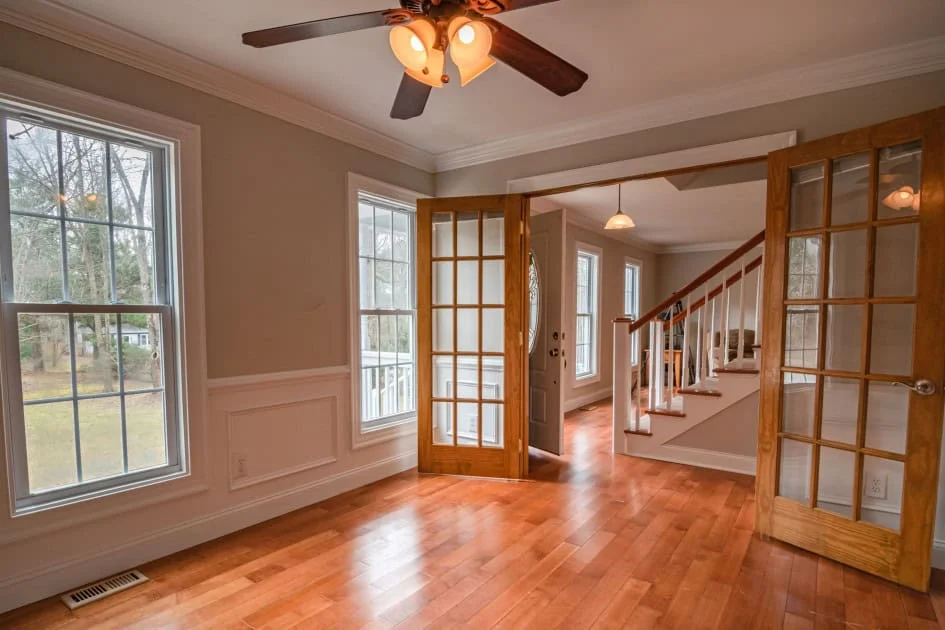
Start with the floor’s remaining wear layer
Before comparing prices, find out whether the boards can safely be sanded. Solid hardwood may tolerate multiple refinishing cycles, depending on its thickness and how much material previous sanding removed. Engineered hardwood has a thinner top layer, so its capacity for sanding may be limited.
Sean, Lead Contractor at Kanna Construction & Remodeling, advises homeowners to check the wood’s thickness before work begins. As he puts it, “Before refinishing hardwood floors, check the wood’s thickness to ensure it has enough of a wear layer left to withstand sanding without damaging the planks.”
Visible wear doesn’t tell the whole story. Surface scratches and a tired finish may respond well to sanding and recoating, while deep gouges, water damage or buckling can point to repairs or replacement. A flooring professional can inspect both the damage and the remaining wood before recommending a scope.
Quotes vary, and the scope explains why
Three contractor estimates for an average-condition area of about 500 square feet show how much pricing can differ. Ryan Brining, Co-Owner of White Maple Construction, puts that project at roughly $2,000 to $3,000, with stairs and railings priced separately. Josh Brooks Construction and Renovation Inc. estimates $3 to $8 per square foot; its example for a 500-square-foot living room is about $1,500 to $3,000. Vino Design Build cites $2,500 to $5,000 for a similar standard project.
Those figures are estimates, not a fixed market rate. Floor condition, total area, the selected stain and finish, preparation needs and local material costs all affect a quote. Damaged boards, extensive sanding, custom color matching and dustless sanding requirements can add expense. Stairs and railings may also be handled as separate line items.
When you request bids, ask each contractor to spell out the same scope: sanding, repairs, stain, finish coats, dust containment and any separate work. A low starting figure can leave out tasks that another quote includes. Comparing itemized estimates makes the cost difference easier to interpret.
Color changes can call for more preparation
A new stain color can change both the work involved and the likely result. Moving from a dark finish toward a natural or lighter look may require extra sanding to remove pigment from the grain and seams. Even then, traces of the old color can remain, especially in detailed areas such as stair rails and newel posts.
Brining says a very dark stain, such as provincial, can settle into the wood’s seams and grain. When homeowners want a natural finish, “Anything left behind shows through, especially on detailed stair rails and newel posts, so sometimes replacing makes more sense than refinishing.”
Ask the contractor whether the target color is achievable with the wood that remains and what preparation it requires. That discussion can help set expectations before the floor is sanded, when changing course may become more complicated.
>> Read: How to Stain a Deck: The Simple 4-Step Process
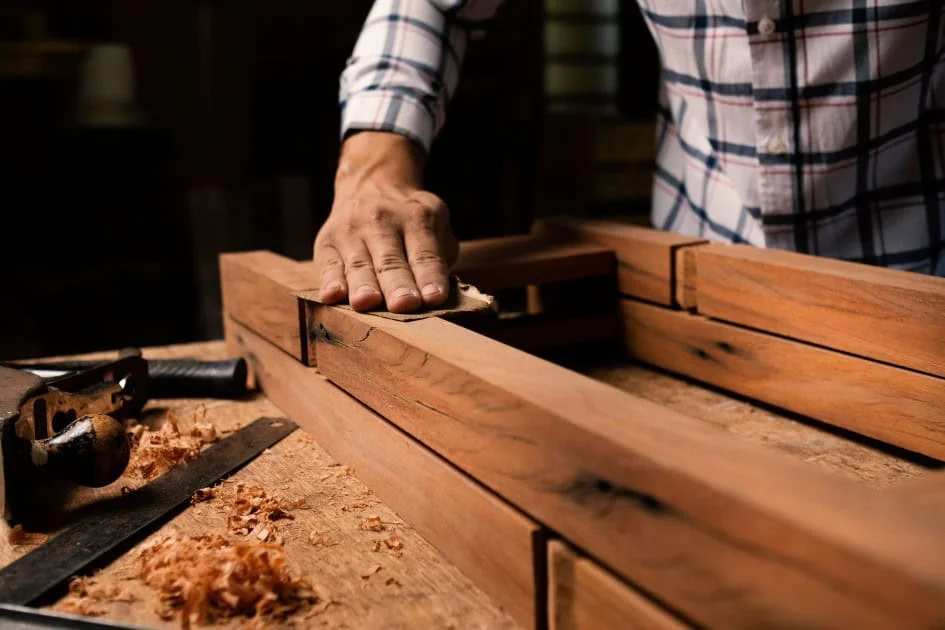
Build the schedule around sanding and curing
Most refinishing projects involve removing the existing finish by sanding, addressing damaged areas, applying stain if requested and adding protective finish coats. The work can span several days. Drying and curing times depend on the products used, and rooms may be unusable while the work proceeds.
Sean at Kanna Construction & Remodeling warns homeowners to expect “significant dust, strong chemical fumes, and multi-day drying times that typically require clearing the room and staying off the floors.” Some contractors use dust-containment equipment to reduce airborne dust, but sanding still requires planning for cleanup and ventilation.
Before the crew arrives, clear furniture and belongings from the rooms. Confirm how the contractor will manage dust and ventilation, how long each stage takes, and when people can walk on the finish and return furniture. Water-based and oil-based products have different application, drying and curing requirements, so the recommended product affects the schedule as well as the finish.
>> Read: Questions to Ask General Contractors Before Starting a Project
DIY savings come with sanding risk
Doing the work yourself may reduce labor costs, but floor sanding takes control and experience. Sean cautions that “Heavy drum sanders can easily gouge the wood if misused.” Uneven passes can leave visible marks, and aggressive sanding can remove more wood than the floor can spare. Those errors are harder to correct on thin flooring or boards that have already been refinished several times.
For a smaller project, DIY may suit a homeowner with the right equipment and a clear understanding of the process. A larger area, substantial repairs or a complicated stain change may make professional work a more practical option. Compare the full DIY budget, including equipment rental, materials, protective gear, preparation and cleanup, with contractor bids that define the work included.
Flooring thickness and prior sanding matter especially when weighing the risk: a mistake can reduce the options available for future refinishing.
Know when replacement deserves a quote
Refinishing isn’t always the best fit for extensive water damage, structural problems or floors with too little wood left to sand. Replacement may also enter the conversation when a renovation extends flooring into another room or changes walls, since new boards can be difficult to blend into old ones.
Brining says that when additions or renovations shift walls or connect new flooring to existing boards, “a clean patch is hard to pull off, so it often makes sense to replace a bigger section than homeowners expect rather than piece in a seam that shows.” A contractor can compare refinishing, partial replacement and full replacement based on damage, project scope and the likelihood of matching new material.
For larger repairs, ask to see the options and their costs together. That gives homeowners a clearer basis for deciding how much of the floor to address and whether a visible transition is acceptable.
For sellers, judge the floors against the home
Worn boards can affect how a room presents, so refinishing may be worth considering before a sale when scratches, stains or an uneven finish are conspicuous across the home. A full refinish isn’t automatically necessary: cleaning, minor repairs or a less intensive finish refresh could be enough, depending on the condition.
Put flooring work in context with the other repairs planned before listing. A local Redfin agent can help assess how the floors compare with those in similar homes in the market. The practical next step is to pair that market perspective with a flooring assessment and itemized quotes, so the decision reflects both the boards’ condition and the work required.
>>Learn: 5 Home Features That Add Long-Term Value
Before committing, have a flooring professional evaluate the wear layer, discuss the finish you want and define the full project cost and timeline. Those details will show whether refinishing can deliver the intended result or whether repairs or replacement better fit the floor.
The post The Cost to Refinish Wood Floors: What to Know Before You Start appeared first on Redfin | Real Estate Tips for Home Buying, Selling & More.