HIC Land Expands Multifamily Plans Across the Southeast
A leadership change with a larger mandate
HIC Land is building a larger role for multifamily development into its Southeast land strategy. The South Carolina firm named longtime executive Victor Padilla co-CEO alongside founder Stefan Hoyer as it shifts from smaller residential subdivisions toward larger master-planned communities. The appointment formalizes a broader operating brief for Padilla at a point when the company says it wants to participate in more parts of community development.
The portfolio already offers a measure of that ambition: HIC owns or controls sites representing more than 7,500 multifamily units and over 700 acres of commercial property. The company operates in eight states and reports more than $300 million in total investments, with over 48,000 lots under development, owned or controlled. Those figures describe a sizable land platform, though they don’t establish how many units or acres are ready for construction, or how quickly HIC expects to develop them.
A broader operating brief
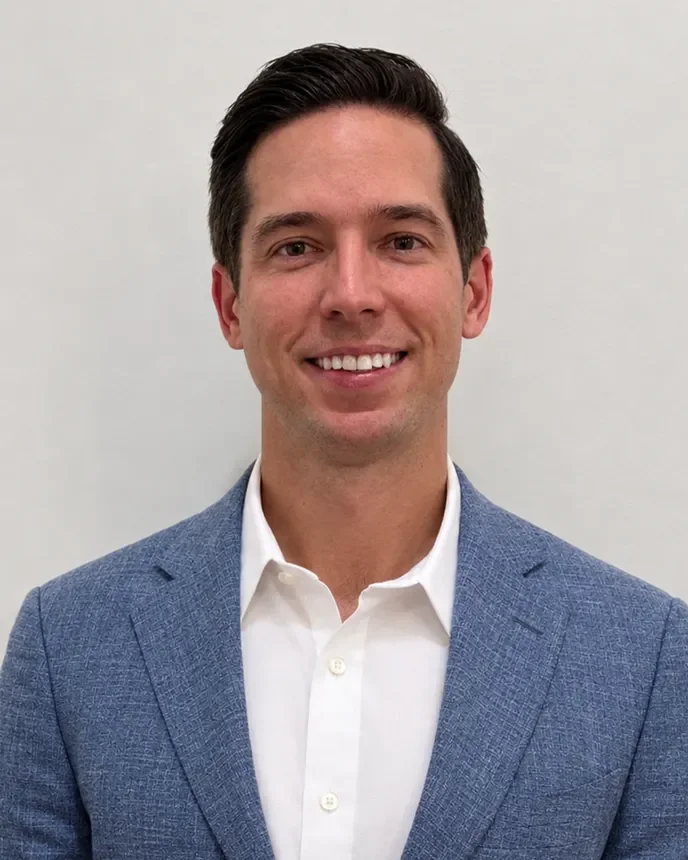
Padilla joined HIC Land more than a decade ago as Hoyer’s first hire and most recently led operations. His responsibilities have grown to include acquisitions, dispositions, financing, personnel and strategic growth. He now steps into a leadership role that, by his account, will support expansion in both multifamily and commercial development. The move gives HIC’s stated growth plans an executive whose remit already spans the functions needed to assemble and manage a land pipeline.
“We'll certainly continue working with our builder partners on smaller projects, but our long-term strategy is increasingly focused on larger master-planned communities,” Padilla said in emailed comments. He said the company plans to develop multifamily and commercial components within those communities, giving it a larger role in shaping how they take form. That shift suggests HIC wants to coordinate uses across a site instead of focusing primarily on preparing residential lots for homebuilders.
HIC’s established business is buying land that has entitlements and permits, installing infrastructure, then selling prepared sites to homebuilders. Larger communities extend that model over more years and require greater capital and resources. Padilla sees the tradeoff in the ability to assemble substantial homesite pipelines and deliver lots to builders on their schedules, while keeping more influence over a community’s design and character. The approach also makes timing central: infrastructure and land preparation need to line up with builder demand, while additional uses may take shape on a different schedule.
This is more significant than it looks. Moving into multifamily and commercial components would broaden HIC’s role from preparing land for other developers to retaining a stake in what gets built and, in some cases, owning completed property. That brings a different set of operating demands alongside the land business.
Multifamily tied to community growth
The company’s planned approach connects apartment development to the pace of residential growth. Hoyer said HIC will use its lot development program to track population growth, absorption and market demand before deciding when to build multifamily within its communities. In practical terms, that puts the existing land operation in a position to inform decisions about when apartment development may fit a community’s growth. The company hasn’t provided a timeline or described specific projects, so the strategy remains a framework rather than a construction schedule.
For vertical construction and property operations, HIC expects to work with experienced outside firms while retaining long-term ownership of completed properties, Hoyer said. The stated aim is to create a portfolio of income-producing multifamily assets over time. That arrangement would leave HIC responsible for the ownership strategy while relying on outside firms for construction and operations. The distinction matters: selecting partners and overseeing performance can be a different business challenge from entitling land and delivering infrastructure.
HIC is privately funded by Hoyer, according to Padilla, a structure he said gives the firm room to adjust to market conditions and builder needs. He added that the company can consider different purchase structures with landowners, taking their financial and tax considerations into account. Private funding can give a company flexibility over how it pursues projects, but the article doesn’t detail the capital available for the planned expansion or how HIC will allocate it among land, infrastructure and completed properties.
What the next phase will test
Hoyer founded HIC Land in 2008 and will remain co-CEO, continuing to work with homebuilders, landowners, investors and other partners. Padilla previously worked as an audit senior at Deloitte, advising clients across real estate, manufacturing, government, retail and commodities. Their continuing partnership pairs the founder’s external relationships with Padilla’s expanded operating role. If you're working in this space, the key question is how that division of responsibilities translates into decisions as the business takes on more complex projects.
And yet, the company’s figures describe potential capacity, not delivered homes or apartments. More than 7,500 potential multifamily units and 700-plus commercial acres across controlled land point to room for expansion, but the pace will depend on market demand and the timing HIC described. (And this is the part most people overlook.) A large pipeline can support long-term planning, but it also requires careful sequencing across land preparation, builder sales and vertical development.
HIC’s next phase will depend on matching those development components to the growth and absorption of its communities. The company says it will watch population growth, lot absorption and market demand before moving into multifamily, while continuing to serve builder partners on smaller projects. That’s a measured stated approach, but its execution will be the real test: HIC will need to turn controlled land into projects that fit local demand and can sustain the additional ownership and operating responsibilities.