Rental Wear and Tear: What Tampa and Anaheim Tenants Should Know
For renters in Tampa, FL, Anaheim, CA, and other markets, the end-of-lease inspection can turn small marks into a deposit question: are they evidence of damage, or simply signs that someone lived in the home? The distinction matters because ordinary aging generally falls to the property owner, while damage beyond normal use can lead to a deduction.
There’s no single visual test that settles every case. The age and condition of the item, how long the renter lived in the unit, and what caused the problem all shape the assessment. A sound move-out process starts with a clear record of the home’s condition and a careful comparison with the lease.
Everyday use leaves a record
Normal wear and tear is the gradual change a home experiences through ordinary occupancy. Paint loses some brightness, floors show traffic, and frequently used handles may loosen. Those changes are part of maintaining a lived-in property; they don’t automatically mean a tenant caused damage that should come out of a deposit.
Typical examples include faded or slightly dingy paint, minor wall scuffs, carpet worn along regular walking routes, light scratches on hardwood, sun-faded window coverings, and cabinet hinges or door handles that loosen with use. Small marks where furniture has rested or brushed against a wall may also fit this category.
Michael D. Swing of Swing Property Management Services describes the sort of minor wall marks renters often worry about: “Basic wear and tear are simple dirt lines from the back of a couch or bedroom headboard that leave marks on the walls. It also could be a color streak on the walls or molding from items rubbing against them when accidentally moved near the wall or baseboard.”
Those examples point to a useful distinction: a mark that develops through routine contact is different from a deliberate alteration or a deep gouge. The exact call still depends on the circumstances and the home’s condition when the tenancy began.
Damage usually involves more than gradual aging
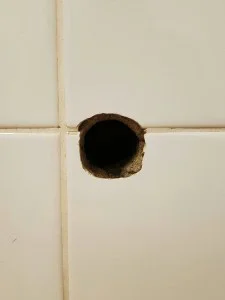
Damage generally describes a condition caused by an accident, neglect, or use beyond what’s ordinary. A faded wall is different from crayon or marker; worn carpet in a hallway is different from a burn, large stain, or pet damage. A few small picture-hanger holes don’t have the same impact as broad drywall holes or gouges. Light floor scratches differ from deep cuts or water damage, and worn grout differs from cracked or broken tile.
| Ordinary wear | Potential damage |
| Paint that has faded over time | Marker or crayon on the wall |
| Carpet thinning in a well-used walkway | Large stains, burns, or pet damage to carpet |
| Small holes from picture hangers | Large holes or gouges in drywall |
| Light scratches on a floor | Deep gouges or water damage |
| Grout worn from use | Cracked or broken tiles |
Time and prior condition matter. Fifteen-year-old carpet may already be near the end of its useful life, while a short tenancy gives a different context for the same amount of wear than a five-year stay. A move-out comparison should account for what was there at move-in, not treat every imperfection as new.
Wall holes deserve particular care
Wall repairs are a frequent source of disagreement between renters and property managers. Dave Goldberg of Goldberg Group Property Management says the size and purpose of a hole matter. “When a tenant vacates, they should not attempt to patch and paint a hole in a wall, as most leases restrict tenants from doing this themselves. If it’s a picture hanger and the nail hole is small, that’s not ‘excessive wear and tear.’ However, if the tenant hung a bracket to support a TV mounted on a wall, these holes are considered ‘excessive wear and tear,’ and the tenant will be charged a percentage of the cost to repair that wall.”
Before drilling for a heavy fixture, check the lease and ask the landlord for written direction. Goldberg’s warning about patching is practical too: an unauthorized repair can complicate an inspection, even when the renter is trying to help. Keep the communication and any permission with your tenancy records.
What a deposit review should consider
A security deposit is generally held to cover unpaid rent or costs associated with damage beyond ordinary wear, subject to the rules that apply where the rental is located. At move-out, the landlord inspects the property and determines whether any charges are appropriate; the remaining amount is returned to the renter.
Commonly cited reasons for deductions include unpaid rent or fees, substantial damage such as large holes or broken fixtures, excessive dirt or trash left behind, and missing items supplied with the unit. Ordinary repainting after a typical tenancy, age-related carpet replacement, routine maintenance, or cleaning that restores the unit to its original condition are different kinds of costs. The specific lease terms and local requirements can affect how charges are handled.
Where a landlord provides an itemized deduction list, read each line alongside the lease and the condition records. If a charge appears to cover ordinary aging, ask for an explanation and supporting detail. Renters can also review guidance on what rights renters have, then check the rules for their city or state.
Use the lease and inspection record together
The lease can set expectations for cleaning, repairs, alterations, and move-out notice. Some agreements require professional cleaning and ask the renter to keep the receipt. Others restrict painting or filling holes without written approval. Requirements may also cover working lightbulbs, replacement air filters, yard care, or notice deadlines. Read those terms before signing and revisit them before the move-out date.
For more context on lease terms, see Lease Red Flags Every Renter Should Know Before Signing. If a clause is unclear, ask the landlord to explain it in writing. State and local rules may also affect what a lease can require.
Build the strongest condition record at the start of the tenancy. During an apartment walkthrough, photograph or film each room, capture existing marks and defects, and write down anything that needs attention. Date the files and send a copy of the notes and images to the landlord so both sides have a record.
Joshua Rabinovitz, president of King George Property Management, says disputes often concern conditions such as large wall holes, heavy stains, or broken fixtures. His recommendation is to document both ends of the tenancy: “My advice to renters is to thoroughly document the property’s condition with photos at move-in and move-out, as this is one of the simplest ways to avoid disagreements over security deposits.”
Repeat the photo walkthrough before returning the keys. Clean according to the lease, keep receipts for any required services, and, if practical, inspect the unit with the landlord. Matching move-in and move-out images can help show whether a mark is longstanding, gradual, or newly caused.
Respond to disputed charges with evidence
If a deduction seems inconsistent with ordinary wear, start by reviewing the itemized charges, the lease, and both sets of condition photos. Then contact the landlord in writing. Identify the specific charge, explain why you believe it reflects ordinary use, and attach the relevant records. A clear, factual message is more useful than a general disagreement.
Deposit deadlines and procedures vary by state, including how long a landlord has to return funds and whether an itemized statement or receipts are required. Some states or cities publish landlord-tenant handbooks that explain local requirements. Check the current guidance for the rental’s location before deciding what steps to take; a formal written demand or other options may be available under local rules.
The practical takeaway is straightforward: ordinary wear describes gradual change, while significant stains, broken fixtures, and oversized holes can point to damage. A careful lease review and dated move-in and move-out records give both renter and property manager a clearer basis for judging the difference.
The post What is Considered Normal Wear and Tear in a Rental? appeared first on Redfin | Real Estate Tips for Home Buying, Selling & More.