U.S. Housing Market: More Sellers Give Buyers Room to Negotiate

Buying now comes down to your finances—and your local market
The strongest case for buying a home right now is also the simplest: sellers outnumber buyers, which gives people who can afford to move more room to negotiate. That advantage has limits. Mortgage rates are high and jumpy, housing costs remain near record levels, and economic uncertainty is keeping many households cautious. The market may favor buyers overall, but it won’t feel that way in every city or for every budget.
- If your finances are ready, now may be a good time to buy.
- This is the strongest buyer’s market on record, with 63% more sellers than buyers.
- Conflict in the Middle East has affected oil prices, bond markets and inflation, adding to mortgage-rate volatility.
- High housing costs, a difficult job market and broad economic uncertainty are weighing on consumers.
The fall buying season is winding down, and in much of the country it never gathered much momentum. Housing was very slow in 2025, and the same pattern has carried into 2026: few sales, limited listings and punishing monthly costs.
Mortgage rates have stayed above 7% for nearly two months. The prolonged conflict in the Middle East has pushed on oil prices, inflation and the bond market, all of which can feed into borrowing costs. Those effects are part of a broader spell of global economic volatility. Investor concerns about AI and uncertainty over tariffs are adding to the strain. The result is a market where many buyers are waiting, even as the people who remain may have more bargaining power. So, should you buy now or wait? The market can offer an opening, but it can’t answer that question for you. Your income, savings and confidence about the months ahead matter as much as the national numbers.
Redfin’s chief economist on buying now
“Now is a good time to buy a home, if you can afford it. High costs are keeping many home buyers on the sidelines, giving those who remain much more leverage to negotiate. At the same time, the conflict in the Middle East, elevated mortgage rates, and a volatile economy are making everyone wary, and conditions vary widely from one housing market to the next. Buyers who are serious about making an offer should talk to a local agent, understand their market dynamics, and make sure they’re confident in their finances and future income.” — Daryl Fairweather, Redfin Chief Economist.
What the housing numbers say
Prices, borrowing costs, supply and demand all point to a market with mixed signals. Here’s the useful distinction: buyers may have more room to negotiate, but homes are still expensive, and local conditions vary sharply.
Prices are still high, though growth has slowed
The median U.S. sale price is $393,895, up 1.3% from a year ago and nearly 20% above its level five years earlier. That’s a lot of ground for affordability to recover. Still, the pace of price growth has cooled: home prices have risen about 1.5% year over year since 2025, compared with roughly 7% from 2012 to early 2020.

Buyers and sellers have both been waiting for a better deal: buyers want lower prices, while sellers hold out for stronger offers. That standoff has allowed inventory to build without bringing prices down much. Buyers with more money to spend—especially the ultra-wealthy—can have an advantage in that environment.
Redfin expects affordability to improve over time if wages grow faster than home prices and inflation. That’s a forecast, not a guarantee, and it won’t necessarily help someone who needs to buy in a particular market today.
>> Read: Redfin’s Weekly Economic Breakdown
Mortgage rates are high and hard to predict
As of October 27, the weekly average for a 30-year fixed mortgage rate was 7.3%. That’s down from the prior week, but well above rates two months earlier. Before March, rates had been between 6.1% and 6.3%.
“Mortgage rates have skyrocketed since March almost entirely because of the conflict in the Middle East and its effects on global energy prices, inflation, and bond yields,” said Chen Zhao, Head of Economics Research at Redfin. “As oil prices have shot up and inflation fears have grown, interest rates and investor skittishness have risen in tandem. Heavy investment into AI is playing a role, too. Time will tell how the conflict will ultimately impact the U.S. economy and housing market, but so far it has put significant upward pressure on mortgage rates and housing costs, leaving buyers and sellers in a bind.”
The labor market has also been volatile amid economic headwinds. Most economists expect the Federal Reserve to raise rates again by the end of 2027, which could push mortgage rates higher. The data doesn’t settle what happens next; for buyers, that uncertainty makes comparing lenders and planning for different payment levels especially important.
>> Read: U.S. Pending Home Sales Sink to a New Low
What a rate change means for monthly costs
A mortgage rate affects the monthly payment directly. Even a modest drop can add up to tens of thousands of dollars over the life of a loan. Use the Mortgage Calculator to compare monthly payments at different rates before you decide what you can afford.

Buyers have more bargaining power in many markets
The market strongly favors buyers in many areas. Inventory has recovered from its post-pandemic low, especially in the Sun Belt, giving the smaller pool of active buyers more room to negotiate. But it’s not a national rule. Tight supply in parts of the Midwest and East Coast can still put sellers in control and push prices up.
For buyers who can manage today’s costs, a slower market may create an opportunity to ask for concessions. How much room you have depends on the home and its location.

More homes are coming onto the market
There are over 1.5 million homes for sale. That’s still low by historical standards, but it’s the highest monthly level since the pandemic. Growing supply is a major reason buyers have more leverage, including room to seek concessions. Active listings, new listings and total inventory all improved significantly nationwide in September.

More sellers are listing than buyers are purchasing, with some of the largest imbalances in areas exposed to natural disasters, including Florida. Supply has shifted throughout the year as sellers respond to demand by withdrawing listings or pressing ahead with a sale.
Buyer demand remains weak, but some sellers are adjusting
Many prospective buyers have spent years waiting for affordability to improve. That leaves sellers outnumbering buyers across much of the country, and demand continues to fall. Touring activity is down, sales are at their lowest level in over years, more transactions are falling through, and most listings have been on the market for nearly two months.
There’s one sign sellers may be responding: the typical asking price recently fell to its lowest point in a year. That suggests some owners have stopped pricing as if it were 2021. For buyers with the budget, a seller willing to reset expectations can make this a more workable time to enter the market.
The clearest buyer advantage is in Sun Belt metros, where new construction has helped expand inventory. Austin, recently named America’s slowest major housing market, is one example. Some places remain competitive, though. In New York metros such as Rochester and Buffalo, demand for affordable homes continues to lift prices and favor sellers. The Bay Area has also seen a rise in popularity, as have parts of the Midwest.
>> Read: NYC Suburbs and the Bay Area Are the Most Competitive Housing Markets
Buying when the economy is uncertain
Tariff worries, economic swings and unstable mortgage rates give buyers good reason to be cautious. If you’re considering a purchase, keep the decision grounded in what you can afford and what you can handle if conditions change.
- Set a firm budget. Don’t stretch your finances. Recession odds are lower than they have been, but the economy remains unstable. Keep enough savings to cover mortgage payments if your income changes.
- Negotiate. Buyers have leverage in many markets. Inventory is higher, and most homes are selling below asking price.
- Compare mortgage offers. Rates are high and unpredictable. Shop around, compare lenders and ask whether a “float down” option is available if rates drop substantially after you lock.
- Consider selling before you buy. If you already own a home, selling first can clarify your budget and reduce the risk of carrying two mortgages.
>> Read: How to Buy, Sell, or Rent a Home Amid Economic Uncertainty
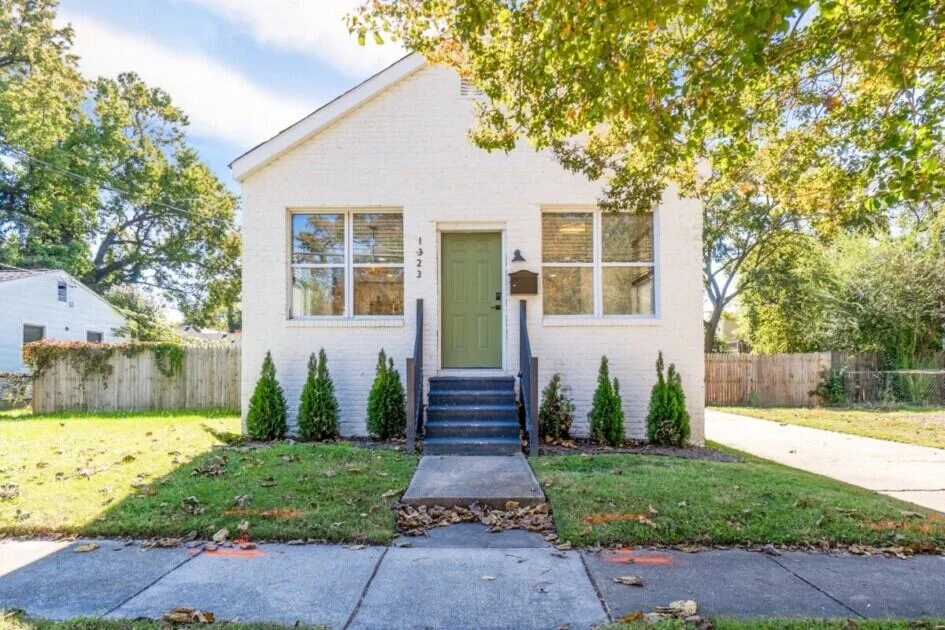
Are you ready to buy and own a home?
National market conditions are only part of the decision. Your own finances and circumstances matter just as much when you decide whether to buy in this climate.
Financial health
The decision comes down to whether buying fits your finances and plans, not whether you can guess the market’s next move. Start with your savings, credit score and debt. Then work out what you can afford and whether renting may suit you better. Keep an emergency fund equal to three to six months of expenses; home repairs and other surprise bills can arrive long after closing.
Run the numbers against your life
A mortgage payment at current rates is only part of the monthly cost. Check whether your budget can cover mortgage payments, property taxes, home insurance and the other costs of owning a home without squeezing out the rest of your life.
Buying tends to make more sense when you expect to stay in the area for several years and have dependable income. A short timeline can make ownership costly if you need to move soon, while unstable employment can leave little room to absorb higher costs. Home prices and mortgage rates could rise further, though the fragment doesn’t establish whether they will.
Location carries its own financial risk. Check whether a home faces flooding, wildfire or other climate hazards. The stakes are rising as migration patterns shift and some insurers raise prices or stop covering homeowners. The fragment doesn’t say how those trends will affect any specific property, so check local insurance availability and costs before committing.
Life plans matter, too. Starting a family, retiring or relocating could make owning more attractive—or make a near-term move more likely. And be honest about the work: maintenance, repairs and property taxes take time and money. If you’re weighing those tradeoffs, see Am I Ready to Buy a House?
Buy when the home and budget make sense
If you can afford the full cost and are ready for the responsibilities, buying now can make sense. Rates remain unstable, and today’s prices and economic uncertainty make future affordability hard to predict. Waiting for rates to fall could bring more buyers back into the market and give sellers room to raise prices. That risk is real, but it doesn’t mean every buyer should rush.
Preparation gives you options in an unpredictable market. Set your budget, talk with a local agent and get preapproved for a mortgage. Buyers may have room to negotiate now; if competition grows, that room could narrow. Move promptly when a home fits your needs and finances, but let those limits guide the decision.
The post Is Now a Good Time to Buy a House? appeared first on Redfin | Real Estate Tips for Home Buying, Selling & More.