Cuyahoga County’s Unified Zoning Plan Targets Housing Development Across 59 Communities
A countywide framework, adopted locally
Cuyahoga County’s proposed shared zoning code could give its 59 jurisdictions a common route to modernize rules that shape housing and redevelopment. The county has 1.2 million residents, but many local codes and zoning maps are outdated, while the cost of a full update can exceed $200,000 per community. That gap matters because zoning affects how communities review proposed development, and an outdated rulebook can make it harder to understand what a site can support. A shared starting point could reduce duplicated work, though it won’t by itself settle local questions about what kinds of development a community wants.
The Cuyahoga County Planning Commission announced its Unified Zoning Code initiative in June. The proposal is designed to streamline development processes and coordinate standards among participating communities. Each locality that opts in would retain the ability to adopt, administer and enforce the code, while gaining access to a centralized online zoning map. That division of responsibilities is central to the pitch: county support could bring common tools and expertise, while local governments would continue to make decisions about their own rules. The details of how much coordination communities choose to accept will matter as much as the shared document itself.
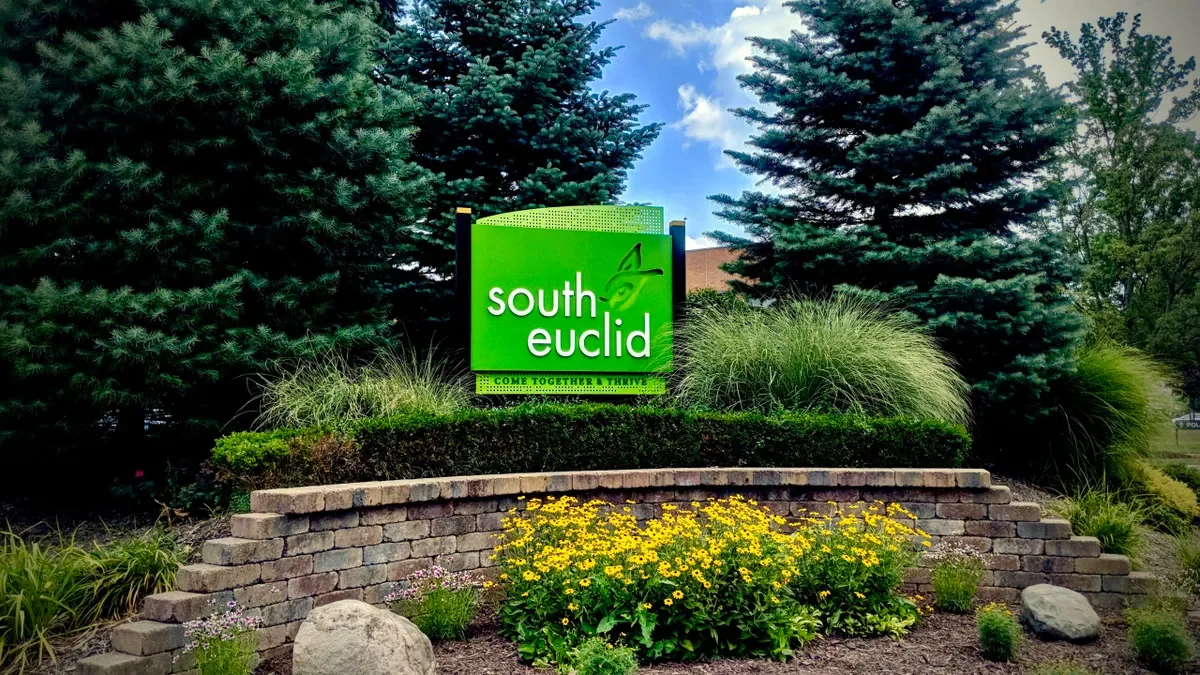
The first six participating cities are Brook Park, East Cleveland, Euclid, Maple Heights, North Olmsted and South Euclid. On Sept. 28, the commission issued a request for proposals for a consultant to begin developing the code. Those steps establish an early working group and begin the procurement process; they don’t yet show what the finished code will contain or how each city will put it into practice. For now, the effort is a proposal with a defined set of initial participants, not evidence that all 59 jurisdictions will adopt the same rules.
Cost and capacity are central to the pitch
For smaller municipalities, the economics of updating zoning can be a significant hurdle. The Planning Commission says comprehensive revisions in the county regularly cost more than $200,000 per community. Some local governments can afford only piecemeal changes, leaving rules behind current development needs. The cost is only one part of the burden: a full update also requires staff time to review existing rules, map changes, and explain the resulting standards to residents and property owners. When those resources are limited, even widely recognized problems can wait.
A joint process could spread the work across multiple jurisdictions and provide continuing maintenance support. The commission expects to work with a zoning consultant, legal advisers and its roughly 20-person staff to maintain the shared code. That arrangement could help communities avoid repeating some of the same technical work, while giving the code a source of ongoing attention after its initial development. But shared maintenance only delivers value if the participating cities can keep their local maps and rules aligned with the framework over time. A common code needs upkeep, not just a launch.
“Many communities lack updated zoning maps or rely on outdated hard copy versions, further complicating redevelopment efforts,” the Planning Commission said. South Euclid Mayor Georgine Welo, who also serves on the commission’s board, said a countywide code could help ensure communities have current zoning standards. The map component is more than a convenience: clear, accessible zoning information can help residents and developers understand how rules apply to a parcel before a project moves further along. That said, an online map won’t resolve disagreements about what should be allowed. It can make the rules easier to find; communities still have to decide what those rules should say.
Coordination across varied communities
Cuyahoga County includes dense urban neighborhoods as well as smaller suburban communities, so a common framework will have to work across different local conditions. Cleveland, the county seat, is separately updating and implementing a form-based zoning code. That parallel effort underscores a practical challenge: a countywide initiative has to account for communities pursuing different approaches, rather than assume that a single set of standards will fit every place without adjustment. Shared language may make coordination easier, but local adoption and administration will determine how the code works on the ground.
The initiative’s funding partners are the Cleveland Foundation, Cuyahoga Land Bank and Akron Cleveland Association of Realtors. Executive Director Mary Cierebiej described the effort as a way to support neighborhood reinvestment in a largely built-out county, where communities are looking to repopulate neighborhoods and build on existing infrastructure. In a county where much of the development question concerns existing places, zoning can shape how communities consider reuse and change within established neighborhoods. The code’s usefulness will depend on whether its standards make those processes clearer while still reflecting local priorities.
Here’s the thing: the most persuasive case for a shared code may be administrative, not dramatic. If you're working in this space, current maps and understandable standards can make early conversations about a site less opaque. (And this is the part most people overlook.) A streamlined process can reduce friction, but it can’t guarantee that a proposal will be appropriate for a neighborhood or that every community will see the same benefit. The numbers here are underwhelming as a measure of impact so far: six cities have joined the initial effort, and the consultant has yet to begin developing the code.
What the first phase could show
The immediate test is whether a shared code can deliver practical savings while remaining useful to places with distinct development patterns. The six-city launch will show how far a coordinated update can go in easing the zoning work behind redevelopment. It may also reveal where a common framework needs room for local choices, especially when communities differ in their development patterns and administrative capacity. The proposal’s promise rests on balancing those needs, not on uniformity for its own sake.
For residents and property owners, the effects would depend on the code each city adopts and how clearly it is mapped and administered. For local governments, the measure of success will be whether shared expertise and maintenance support make it easier to keep zoning current without erasing meaningful local control. That’s a demanding test. The initiative has a credible problem to address, but its value will become clearer only as the participating cities move from planning to adoption and day-to-day use.